

Congress moves to hand over the US military to Israel
Through HR 8595, US representatives are installing the structures to ensure zionist control of the US military


Smotrich pays big to the squatter movement
The government signed an umbrella agreement with the Samaria Regional Council on July 13, 2026, committing NIS 8.5 billion to infrastructure for about 12,000 new housing units in the northern West Bank.
This umbrella agreement is a deal between a local authority and the government, including the Finance Ministry, the Housing Ministry, and the Israel Land Authority. The state funds the infrastructure, and the authority commits to accelerated timelines for issuing building permits. This hands a settler regional council a guaranteed construction budget and makes a reversal expensive, because stopping construction once the commitments are signed would require fresh legal challenges. With the far-right Israeli squatter movement gutting the courts, there is less and less opportunity for even limited legal friction against the mass colonization of Palestinian lands in the West Bank. Until last year, only one such umbrella agreement existed in a settlement: with the Ma’ale Adumim municipality in October 2018, worth NIS 338 million.
The pace since then is the story. In September 2025, a second Ma’ale Adumim agreement guaranteed NIS 3 billion for roughly 7,000 units, half slated for the new settlement in E1. On June 14, 2026, the Karnei Shomron Local Council signed a NIS 2 billion contract for 6,000 units. With Samaria, three West Bank authorities now hold commitments totaling NIS 13.5 billion, all inside a single year. Giv’at Ze’ev and Ariel are reportedly preparing agreements of their own.
How HR8595 gives Israel new powers over the US military
On July 15, the House passed the FY27 national security and State Department appropriations bill, HR 8595, by a vote of 217 to 209. Before passage, it disposed of Rep. Thomas Massie’s (R-KY) amendment to strike $3.3 billion in grants for Israel, which failed 104-314, with 10 members voting present. The 104 were 103 Democrats and Massie himself; 98 Democrats voted no. The party split almost exactly in half on whether to keep paying for Israel’s military.
The Senate stalled a day earlier. Its rules require 60 votes just to open debate on a bill, so when only 50 senators — every one of them a Republican — voted on July 14 to take up the FY27 National Defense Authorization Act, S. 4784, it never reached the floor. The 43 Democrats, two independents, and one Republican who held back did not have to defeat the bill; they only had to withhold the ten votes it needed to advance. That freezes the military-integration provisions in place — not dead, since leadership can force the vote again once it finds the votes — six days after Democrats led by Sen. Chris Van Hollen (D-MD) urged colleagues to keep it off the floor until the Senate debates the measures that would deepen US-Israel military and intelligence cooperation.
Those measures are the point of the fight. Rep. Ro Khanna (D-CA) said on July 8 that he is “leading the fight to strip Section 224” from the Defense Authorization Act: “We cannot integrate our military with Israel’s and lose our sovereignty.” Massie’s parallel amendment, to strike Section 219 of the House bill, HR 8800, which he calls “the merger of our military supply chain with Israel’s,” was rejected by the Rules Committee without debate.
The money and the mechanism are worth reading closely. Section 7041 of HR 8595 pays two clients of Western imperialism in fundamentally opposite ways. Israel’s, on the surface, arrives on its own terms: “not less than $3,300,000,000 . . . for grants only for Israel,” “disbursed within 30 days of the date of enactment,” with the spending decision handed to the recipient — “to the extent that the Government of Israel requests that funds be used for such purposes, grants made available for Israel under this heading shall, as agreed by the United States and Israel, be available for advanced weapons systems,” of which “not less than $250,300,000 shall be available for the procurement in Israel of defense articles and defense services, including research and development.” Israel will be asked to certify nothing and can spend that money in Israel, as opposed to previous arrangements that required the money to be spent in the US economy.
Egypt is another story. Egypt’s $1,425,000,000 under the same section is written the other way round: it “may only be made available for assistance for the Government of Egypt if the Secretary of State certifies and reports to the Committees on Appropriations that such government is — (A) sustaining the strategic relationship with the United States; and (B) meeting its obligations under the 1979 Egypt-Israel Peace Treaty.” One imperial node — Israel — is paid on request and spends part of the grant on its own arms industry; the other — Egypt — must be certified as compliant before it sees a dollar, and compliance is defined in part by its posture towards Israel.
The integration Massie identifies sits in Section 219, which directs the Secretary of Defense to designate an executive agent for “synchronizing cooperative efforts between the United States and Israel,” including “identifying jointly developed or Israeli-origin technologies with operational utility for potential integration into United States systems and programs of record” and “establishing frameworks for joint ventures, licensing agreements, and United States-based co-production or manufacturing partnerships with Israeli industry.” Once Israeli-origin components are embedded in US programs of record, the dependency is effectively set.
On July 9, Ways and Means Chair Jason Smith (R-MO) and Judiciary Chair Jim Jordan (R-OH) opened an inquiry into the New Israel Fund, a US-based nonprofit funding liberal zionist efforts in Palestine and abroad, over reports that it engaged in prohibited campaign activity while telling the IRS it had not. Rep. Jerry Nadler (D-NY) called the inquiry “meritless.” Ironically, this move may ultimately be beneficial to the anti-zionist movement because settler organizations like Regavim have exploited charitable laws to supercharge their lobbying efforts, more effectively than NIF proxies. This can set the stage for further inquiries against settler organizations engaged in similar practices.
New military orders
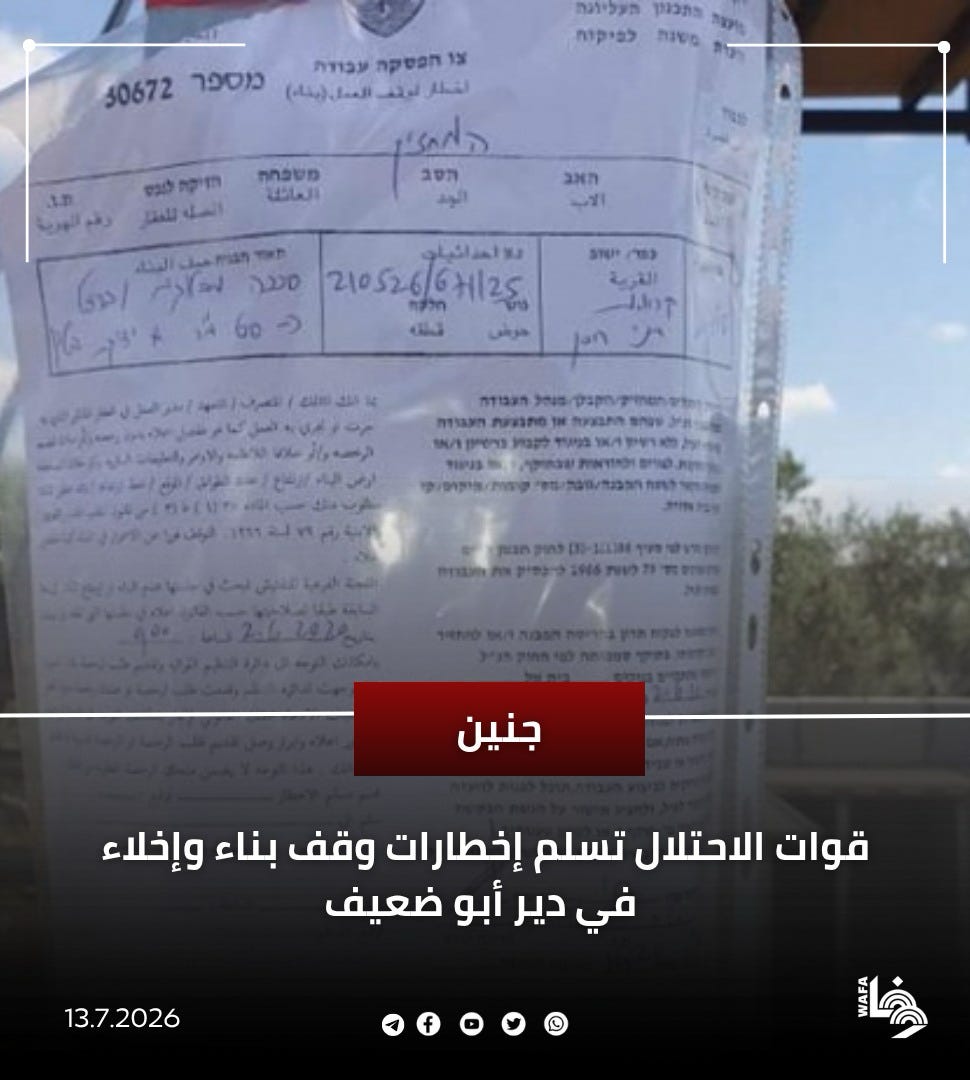
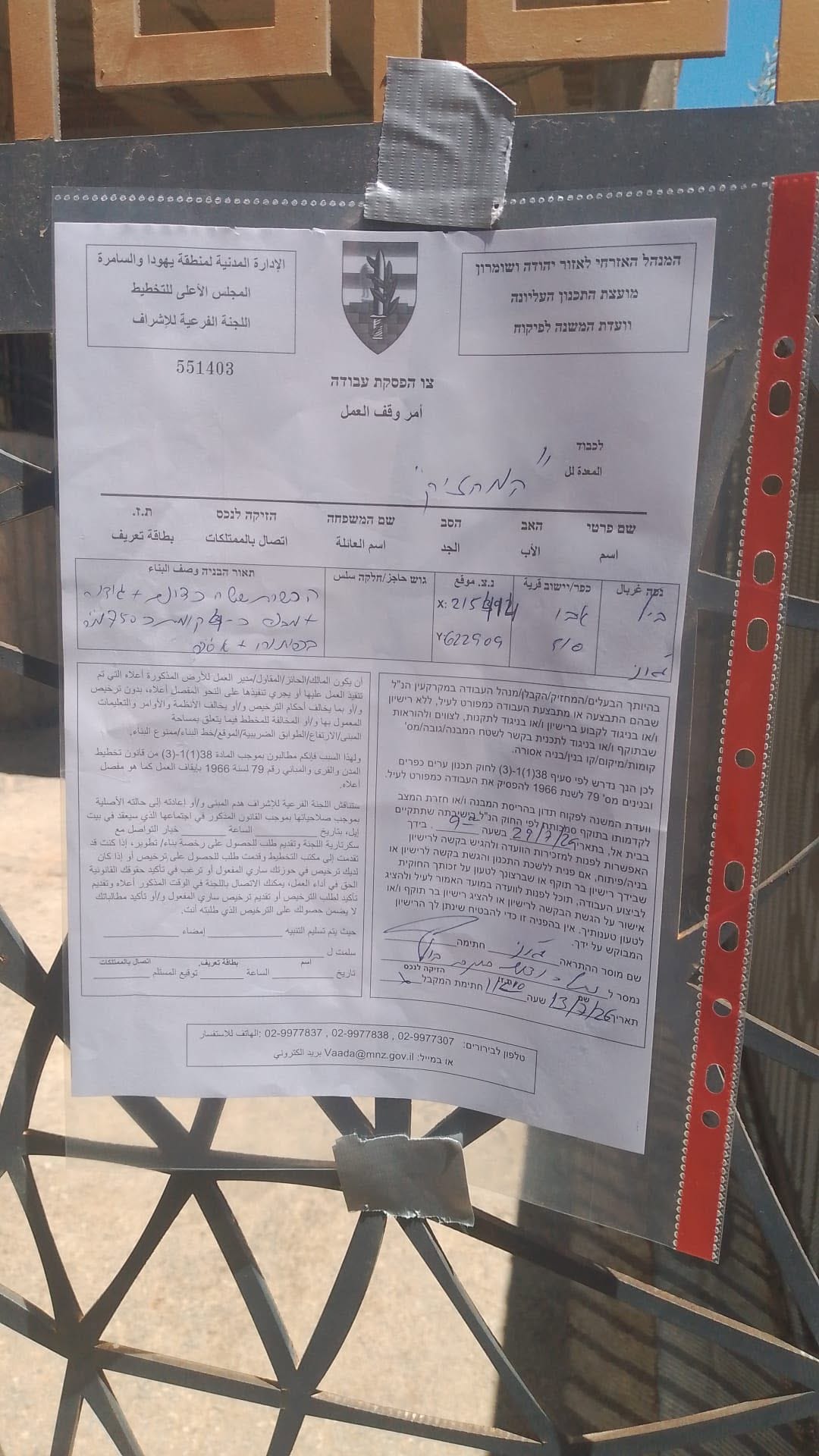
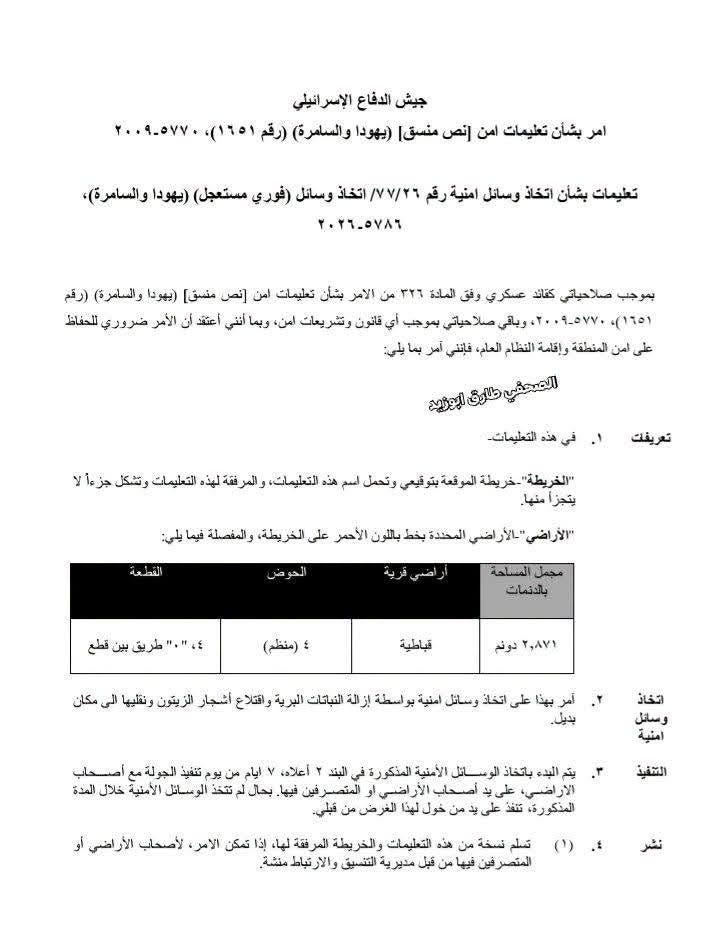
Four orders served in the West Bank this week were photographed as documents. Each is a planning instrument rather than a confiscation, meaning that it is the paperwork that precedes a bulldozer rather than the paperwork that takes the title to land.
On July 12, 2026, the army entered Kafr ad-Dik, west of Salfit, and delivered eight stop-work notices on inhabited homes in the northern part of the town.
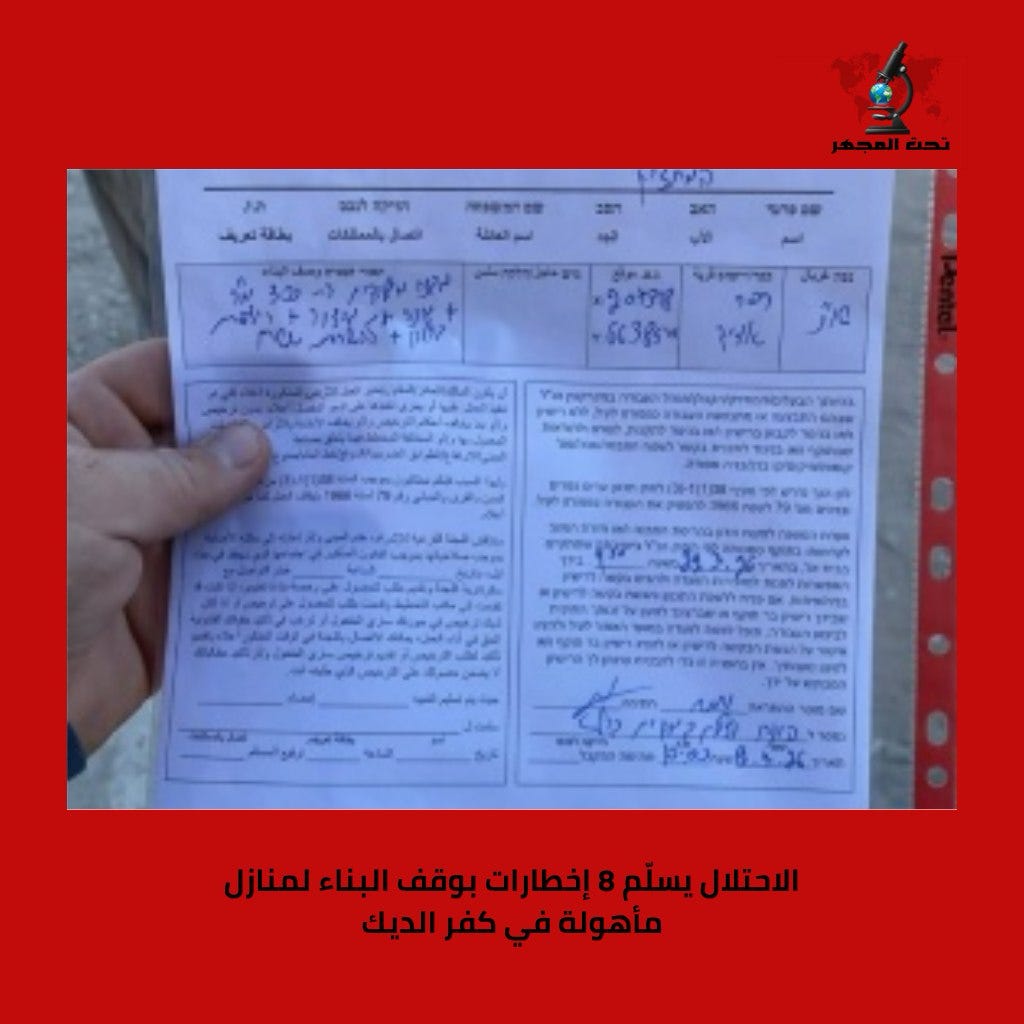
.The next day brought two more of the same kind. In Deir Abu Da’if, east of Jenin, forces delivered more than ten stop-work orders, some on inhabited structures, along with orders to clear agricultural land and restore it to its previous state. In al-Khader, south of Bethlehem, stop-work order No. 551403 was served on July 13 and set a hearing before the Higher Planning Council’s Subcommittee for Supervision on July 29, 2026.
The fourth document orders the removal of wild vegetation and the uprooting of olive trees from 2.871 dunams of Qabatiya land, near the Ghanim camp, and their transfer to an alternative location. The order is marked as urgent and immediate, invokes the commander’s authority to preserve “the security of the area and the establishment of public order,” and requires work to begin within seven days to destroy the trees and vegetation.
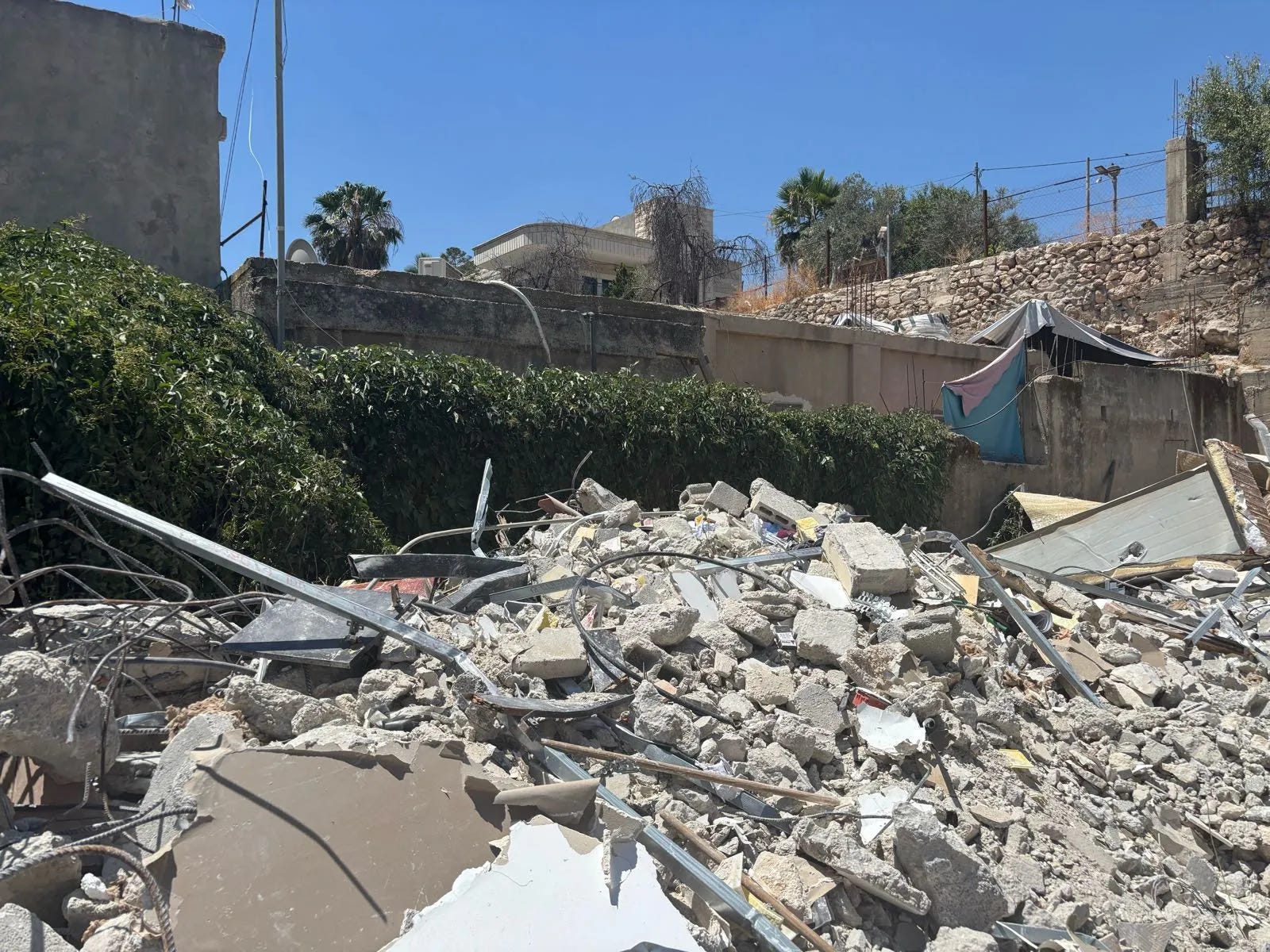
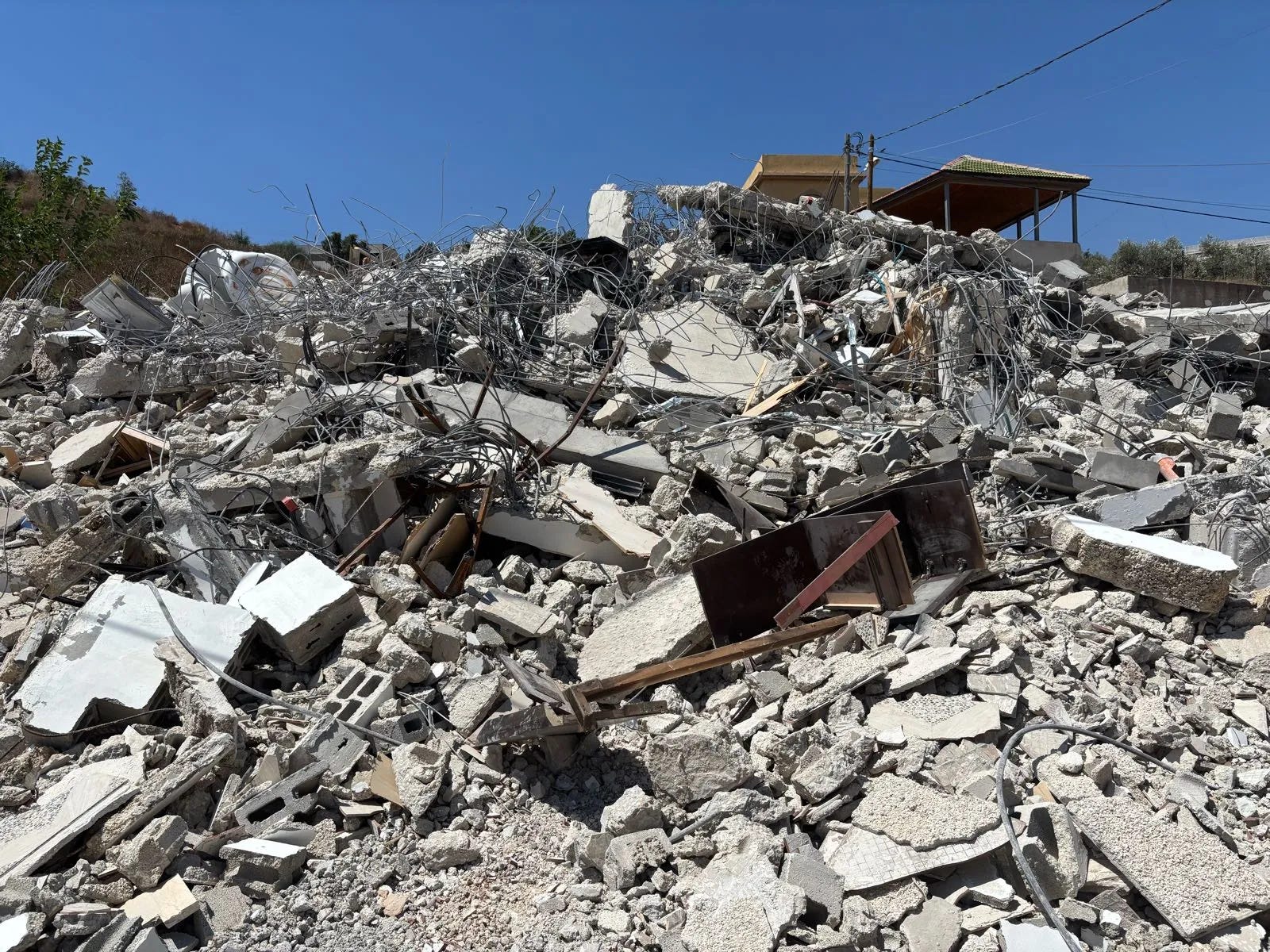
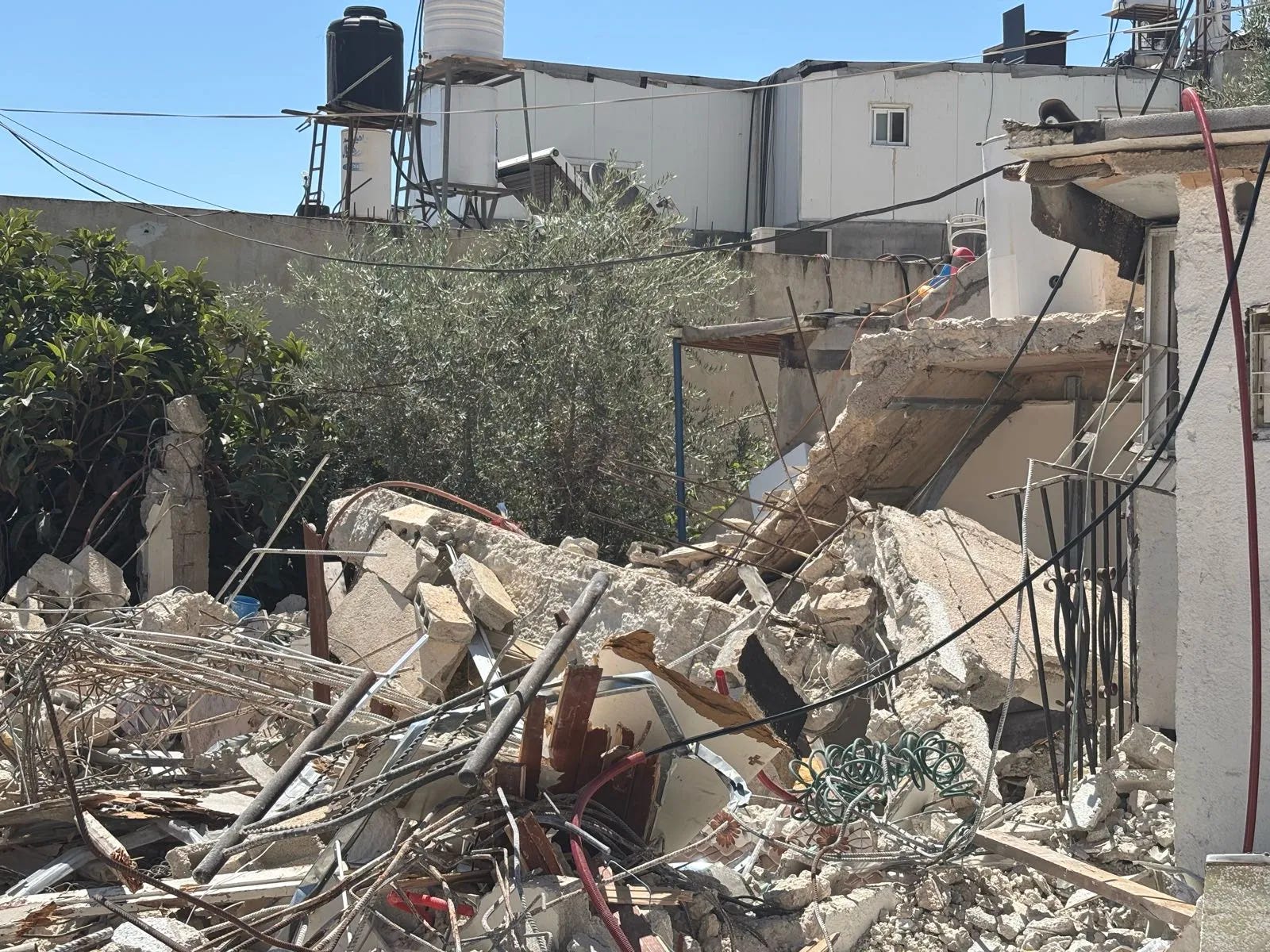
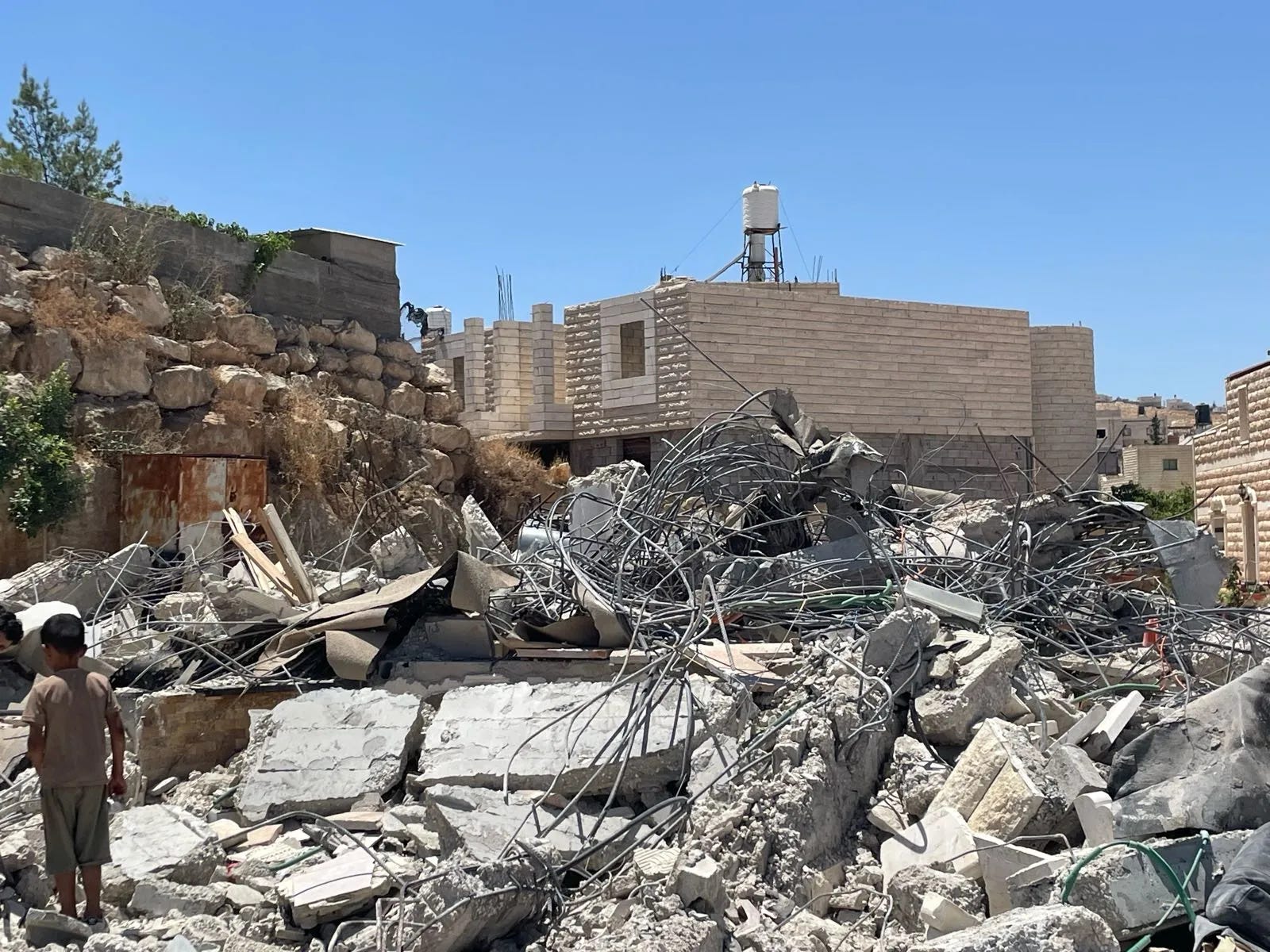
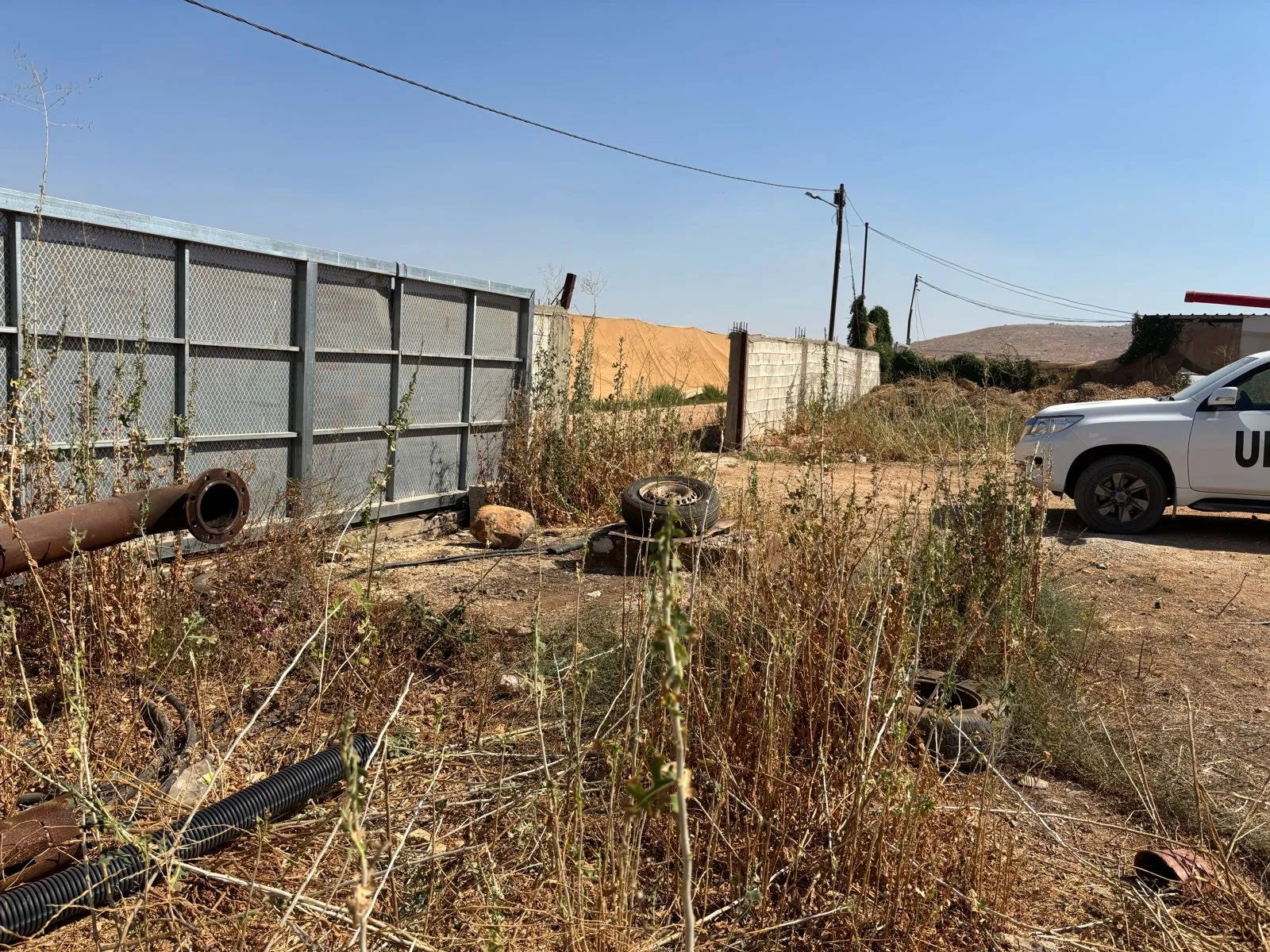
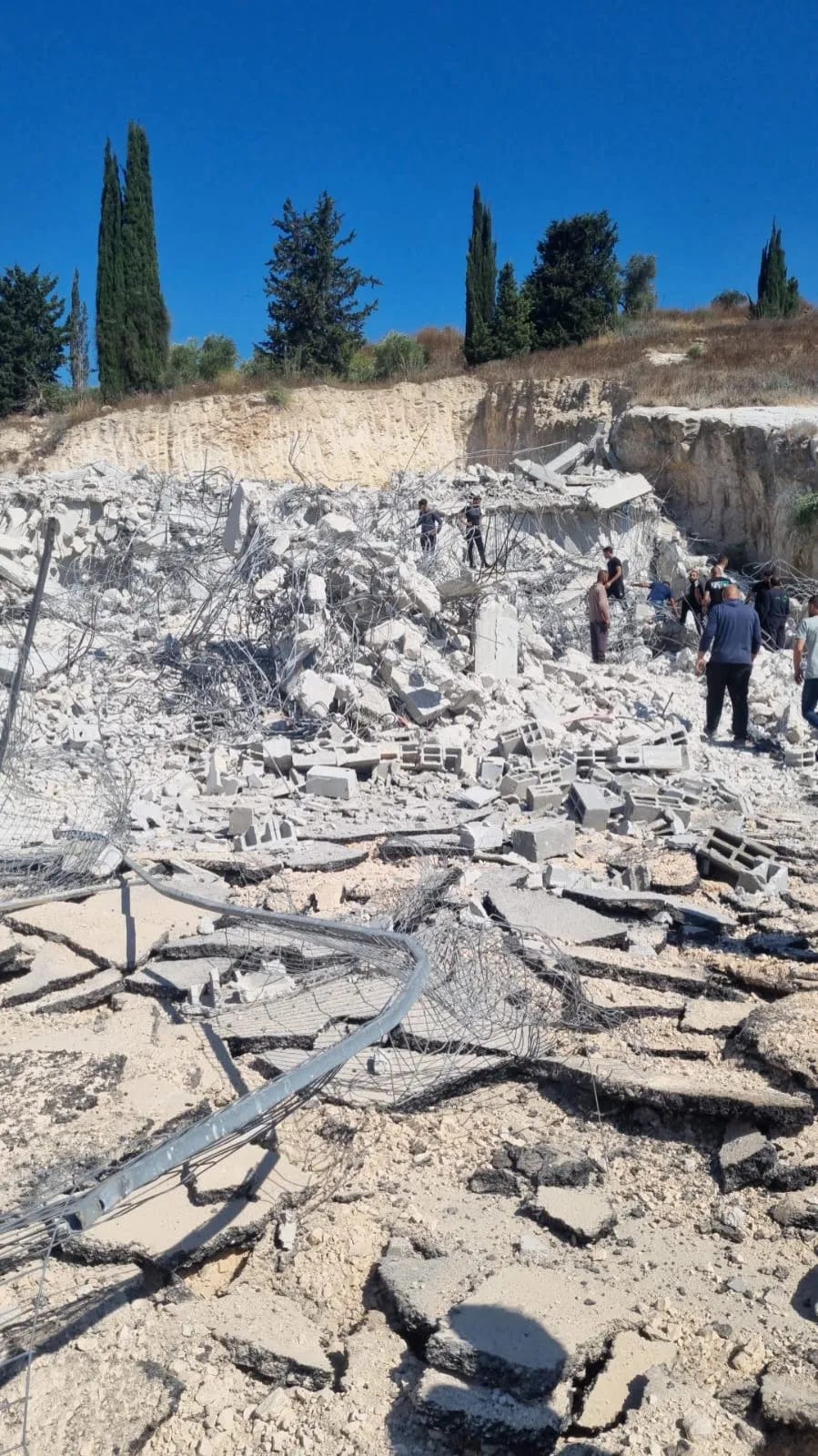
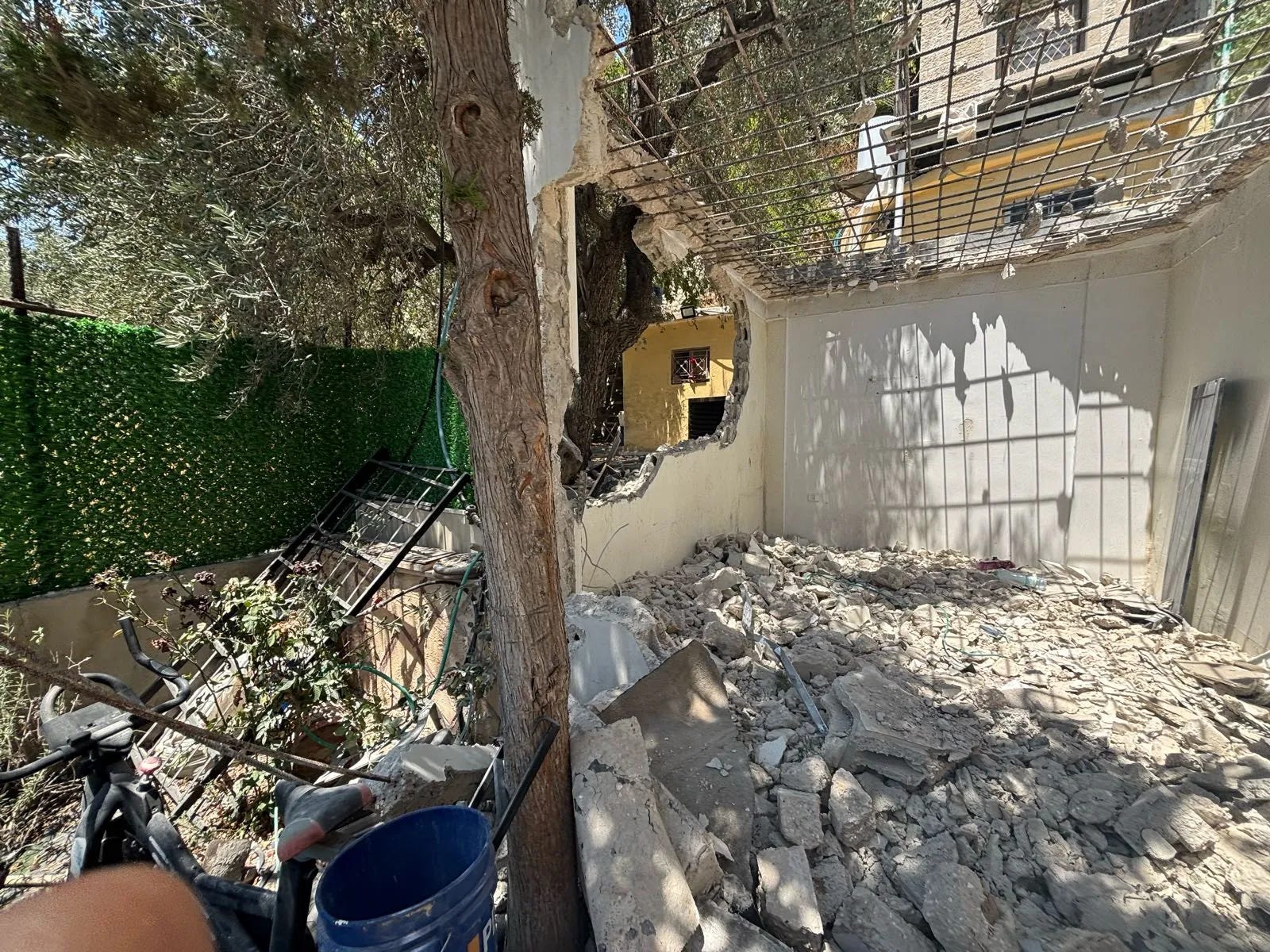
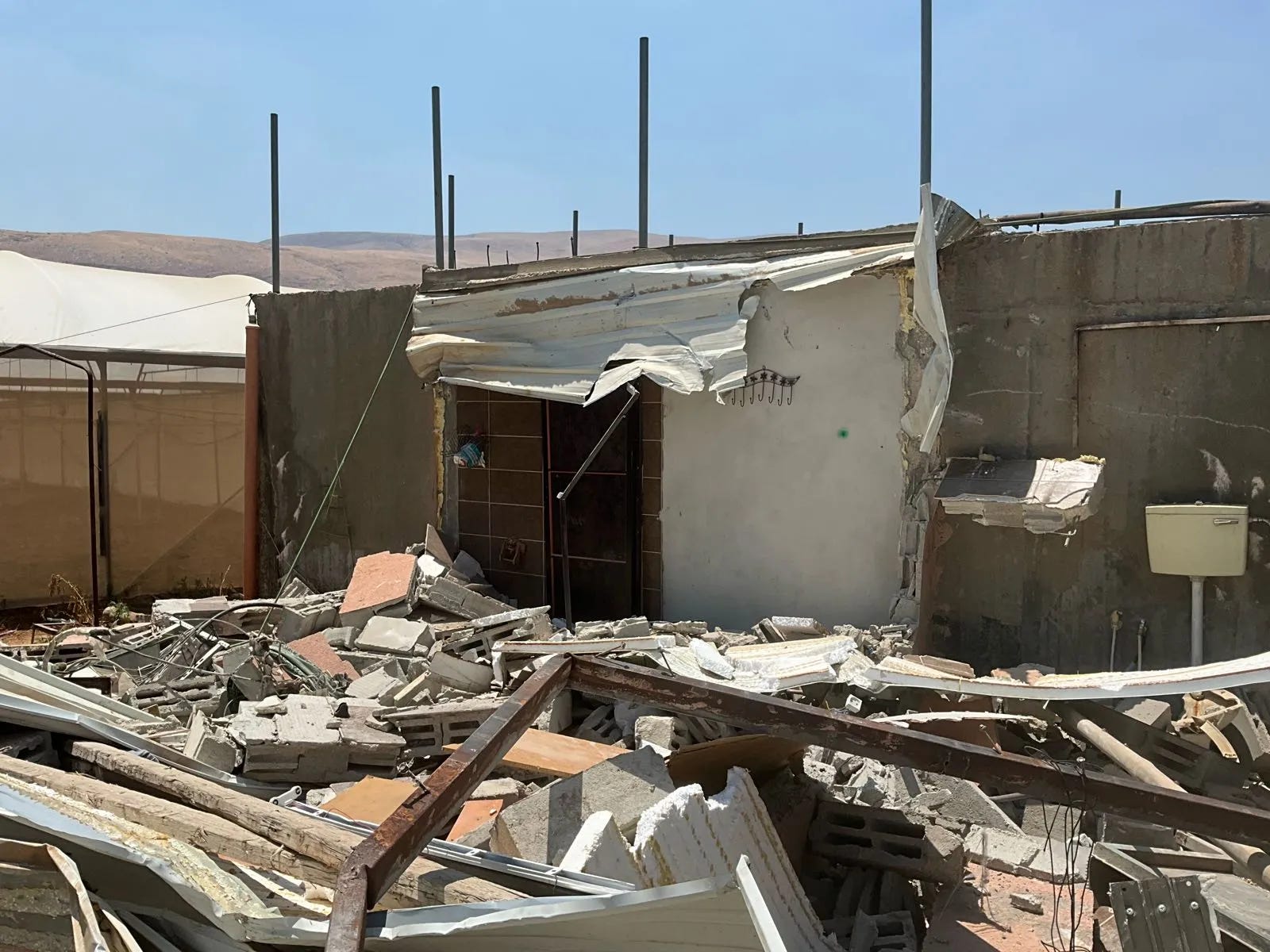
Demolitions this week



2026 year-to-date
Home demolitions: 263 incidents, 832 structures destroyed, 1,248 people displaced (576 children), through July 16, 2026.
Arrests: 4,977 arrests recorded across 189 daily reports.
Settler attacks: 1,476 attacks year-to-date.
Martyrs: 70 killed year-to-date, through July 17, 2026.
Supporting the work
The Good Shepherd Collective documents the dispossession of Palestinians in the West Bank. This brief is compiled weekly from primary field reporting and public records. To support the work, visit https://support.goodshepherdcollective.org.