

Exceeding Oaths, Betraying Oaths
As Dr. Abu Safiya and his colleagues face death in zionist prisons for going beyond their duty, Israeli health professionals have turned an act of care into a gross betrayal of medical ethics.

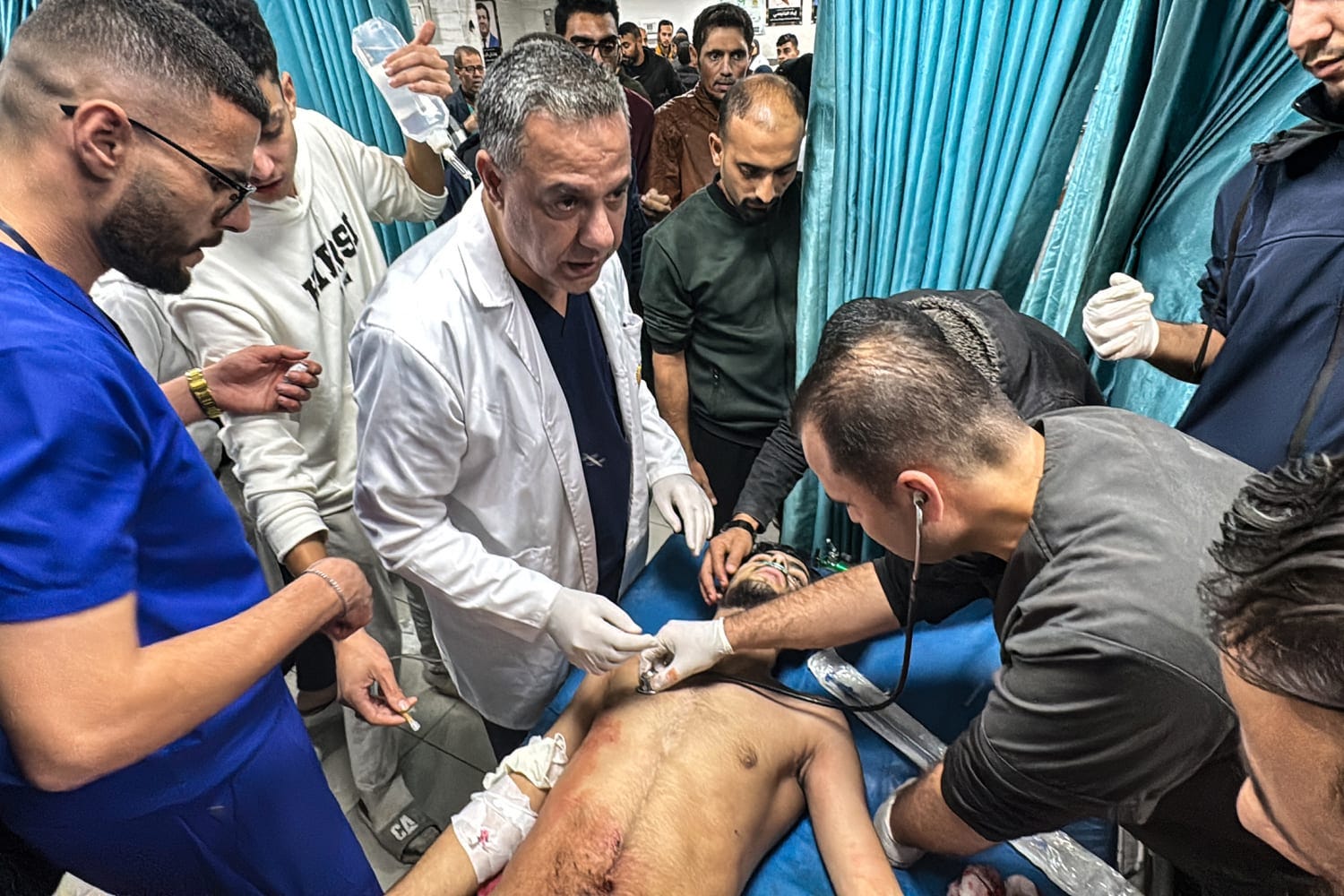
The latest report on Dr. Hussam Abu Safiya’s state of health is deeply alarming and has escalated global calls for his release. The Palestinian pediatrician and neonatologist who was the director of Kamal Adwan Hospital in Gaza reportedly told his attorney that he was in lethal danger during their latest visit. This came following his transfer to Rakefet, an interrogation facility within Nitzan Prison named to indicate its location underground. Dr. Abu Safiya said, “This is the last time you will see me… They brought me here to kill me. I do not see myself leaving here alive. This is the end.”
Though Dr. Hussam Abu Safiya has reportedly been subjected to prolonged periods of solitary confinement, a form of torture, he is not alone as a physician in the zionist prisons. He is among at least thirteen other Palestinian physicians from Gaza who remain detained without charge or trial, but likely there are dozens more healthcare workers who remain in captivity. In April 2026, Healthcare Workers Watch reported that at least 83 healthcare workers were being detained, including eight from the West Bank. On average, they have spent 670 days imprisoned.
It is agonizing to think about these people, who have taken serious risks to protect their patients and communities, spending hundreds of days in dank prison cells, facing increasingly horrific conditions, including insufficient access to food and water, denial of medical care, neglect, abuse, physical violence, and torture, including rape and sexual assault. This reality is particularly heinous for two reasons: first and foremost, no Palestinian should be held prisoner under zionist laws and policies. There is no justice in occupied people being abducted, under any circumstances, imprisoned, and put to trial in a system made up of foreign laws constructed by occupiers, who created this system to further the elimination and displacement of Palestinians.1 This is a fundamentally unjust premise. There is no justice to be had in zionist courts, because there is no justice in the existence of zionist courts.
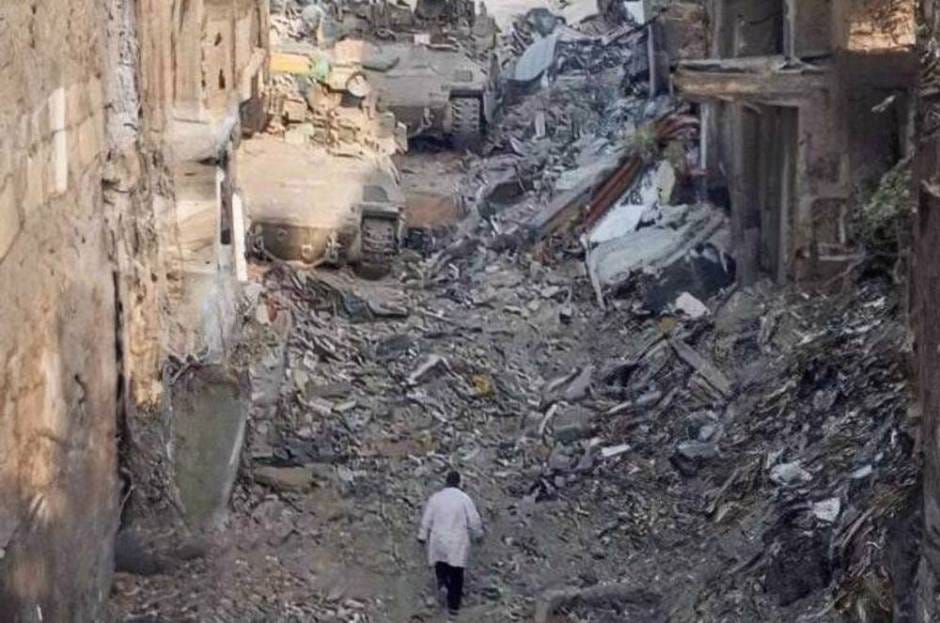
But even if one can look past that principle or forget it for a moment, it is terrible to think of those who have put their lives on the line to protect their patients, their communities, and their people, suffering imprisonment and further violence. Dr. Hussam Abu Safiya was abducted from Kamal Adwan Hospital because he refused to leave his patients and staff behind. He was the last person to evacuate the hospital as zionist forces prepared to invade it. He was then arrested. Before this moment, zionist forces attacked this hospital and others — besieging Kamal Adwan Hospital repeatedly, bombarding the area around it, killing Dr. Abu Safiya’s fifteen-year-old son in a drone strike targeting the hospital’s entrance, damaging the nursery, maternity, and other wards with shells and sniper fire, and more. Before his abduction and prolonged imprisonment, Dr. Abu Safiya was interrogated by zionist forces at least four times while he ran this hospital, even expanding its activities in the midst of genocide to serve more patients. He himself was wounded in the leg by an Israeli drone strike. He continued his work in full knowledge of the danger he faced. He refused to abandon his people — his patients, his staff, his colleagues — in a moment of acute need. He did not turn away in the face of the greatest danger. For this, he continues to be subjected to ongoing imprisonment, neglect, and torture — and not just by his jailers, but also at the hands of Israeli physicians.
Making, keeping, and exceeding oaths
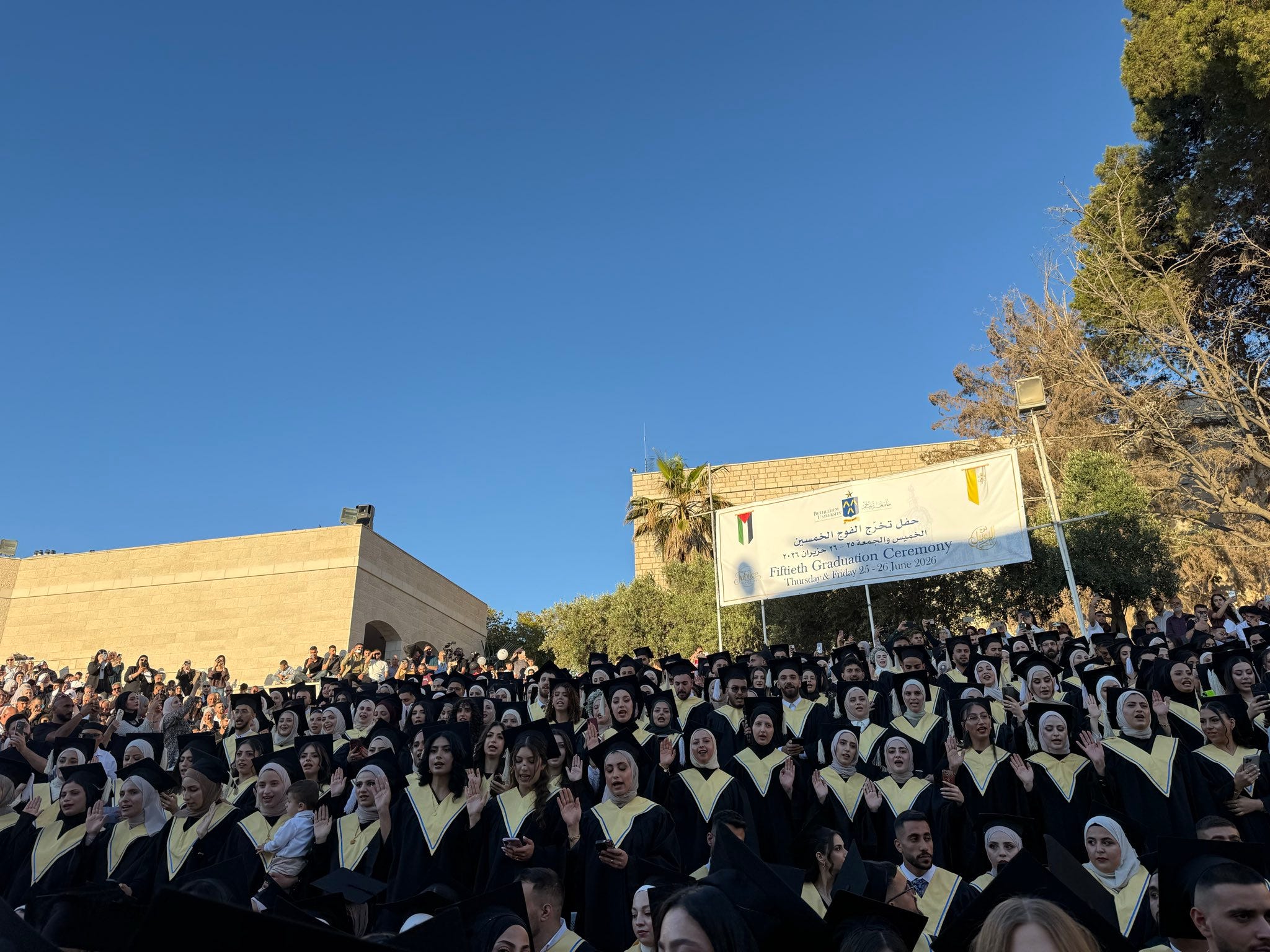
A few weeks ago, the Good Shepherd Collective shared a photo from a June graduation ceremony at Bethlehem University in which dozens of Palestinian nursing and midwifery students stood to take the Nightingale Pledge, their version of the Hippocratic Oath. Regardless of which specific pledge the graduates make, this is always a moving moment for parents, siblings, friends, and other community members, in any geographic or political context. Just over a year ago, I set my alarm to wake up in the middle of the night so that I could watch from my laptop as my best friend graduated as a doctor and took her oath halfway across the world. I was a puddle of tears before they even called her name to receive her degree — you can only imagine how many tissues I needed to get through the oath. Watching my friend graduate, part of the flood of emotion was motivated by how hard I had seen her work to reach this point: years and years of late nights studying, steadfastness in the face of continuous challenges, bravery despite the possibility of rejections, true dedication to something larger than oneself, regardless of the monotony of an unending slew of applications at just about every stage of the process. These are things all medical students must suffer, but only some make it through successfully.
In Palestine, the additional element that makes these moments so emotional is the knowledge of what these healthcare professionals are signing up for. Although the West Bank is not the Gaza Strip, and conditions are different, the graduates photographed at Bethlehem University and their colleagues throughout Palestine all pursued and completed healthcare at a time when hospitals, ambulances, clinics, and all those who staff them are being explicitly and intentionally targeted for death and destruction. When Al-Ahli Hospital was bombed on October 17, 2023, Palestinians in the West Bank did not doubt this event as others claimed to — we believed in the truth of the reports, and local communities mobilized in solidarity. Even within the West Bank, we have witnessed the recent invasion of hospitals by zionist forces as they disguised themselves as doctors, nurses, and women with babies in order to shoot and kill patients inside. Healthcare professionals in Gaza have been murdered despite coordinating with zionist forces; they’ve been targeted following long campaigns of claims fabricated to put their lives at risk. These new Palestinian nurses, doctors, midwives, medical assistants, emergency responders, and more take their oaths in full knowledge of the very real threats they may face simply for carrying out their sworn duties – to treat their patients and to stand with their colleagues.
Though there are differences in the versions of the oath made by healthcare workers around the world, the point is fairly straightforward and united: do no harm to one’s patients, act in their best interest, protect their privacy, and treat them without preference to gender, race, religion, ethnicity, or other differences.
The photo of Palestinian students in Bethlehem reciting this pledge stirs so much emotion because it is easy to see them carrying out their oaths and more. We have already seen the heroes in Gaza going far beyond the expectations of their station, and now we are watching them suffer for it. Their commitment to making this pledge despite witnessing these horrors from afar is an indicator of the depth of their dedication — not to themselves, but to their community. As the martyred doctor Hammam Alloh told Democracy Now in a late October 2023 interview in response to a question about choosing to stay in Gaza with his patients, the decision to pursue medical studies in Palestine is generally not one made selfishly:
“You think I went to medical school and for my postgraduate degrees for a total of 14 years so I think only about my life and not my patients? I’m asking you, Ma’am. Do you think this is the reason I went to med school, to think only about my life? This is not the reason why I became a doctor.”
Dr. Alloh was martyred only days later, in early November 2023.
Neglectful, at best
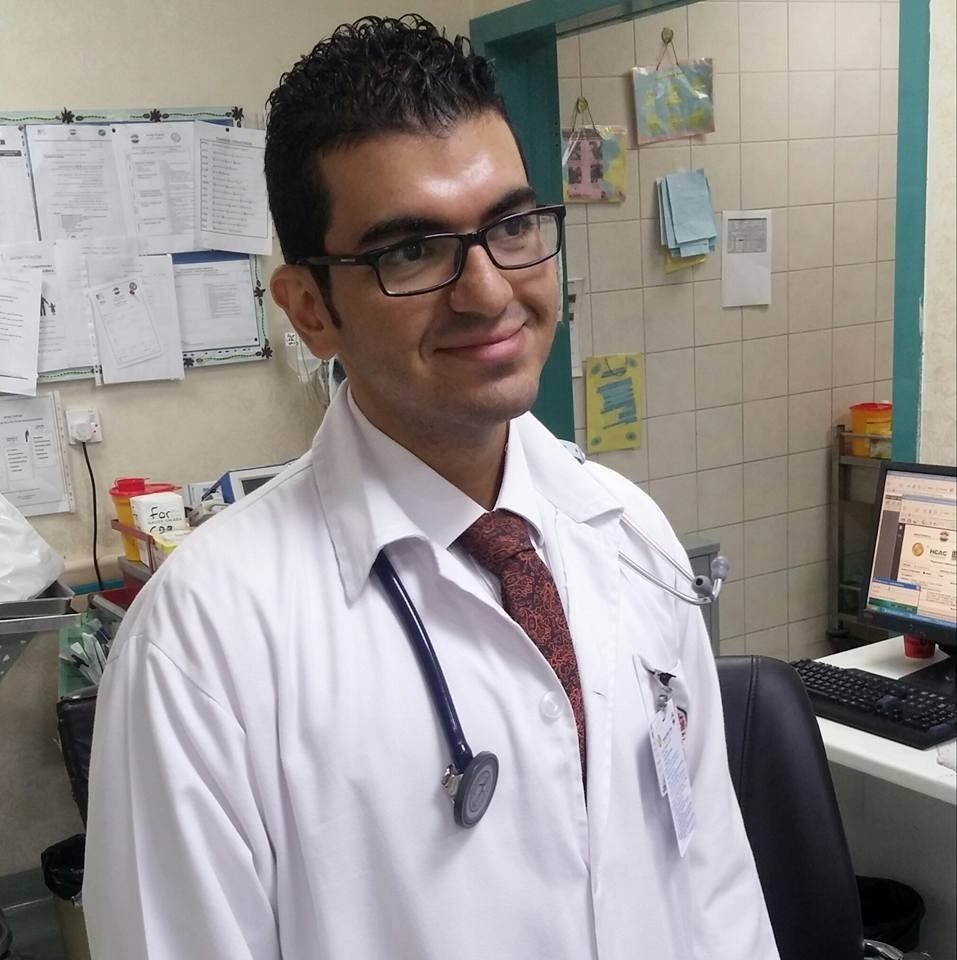
Years ago, I found myself at a deportation center in occupied Palestine. The first place I was taken, before being locked in a hostel-style room with five other women, was a tiny room with a couple of chairs and a small table. An elderly man in a white coat walked in. If he asked me any questions about my health, I don’t remember them. Other than that, he did not acknowledge me, but took my blood pressure and probably listened to my heart. He apparently determined that I was sufficiently healthy, and I was escorted away.
After the last few years of genocidal violence, and the last few months of reports on the treatment of Palestinian prisoners, I’m sure most people reading this from the outside can imagine some of the depth of tension, if not fear, simmering underneath this experience as a young Palestinian woman. No one told me where I was going or who would be coming into the tiny room. The little I knew of Israelis in positions of power was that they abused it, both men and women. There was nowhere to go; the facility was locked at each level — room doors, exits to the outside smoking area, exits to the outside world. I’d been made to leave my phone behind. It’s not like I had a weapon hidden on me to defend myself. No one would come if I called for help. Nothing happened in that instance, but the threat was ever-present, and I certainly wasn’t the only one who knew that.
Every woman and man who was abducted and brought to the same building to await deportation was, I’m sure, subjected to the same procedure. One night, a middle-aged woman was brought into our room. She seemed distressed, but we did not speak the same language, so I couldn’t understand her. We went to sleep. By the early morning, she was red-faced, lying on the floor and breathing heavily. The others and I pounded on the door until the guards came. They accused us of being animals, blaming us for her state, which was, at this point, clearly unsafe. They must’ve given her some medicine, but she returned to the room looking only slightly better than before. She was still kept imprisoned with us until she was deported.
There is no comparison between this anecdote and the current daily reality of imprisoned Palestinians. I tell it only to share some of what I’ve experienced of Israeli doctors in positions of power over those who have no recourse for justice — at best, neglectful. We were all there because we held international passports, and therefore we were generally not treated with anywhere near the same disregard as Palestinians, let alone Palestinian prisoners. But I think the recollection also captures a shallow imprint of the helplessness one experiences in captivity, even if the circumstances are, by comparison, relatively tolerable: the doctor did not catch, or did not care to address, what was wrong with the woman when she first arrived — only hours before she was gasping on the floor in front of us. What would we have been able to do if the guards had never come to the sound of our pounding fists on the locked door? What would have happened to her?
For Palestinians in zionist prisons, this is not a hypothetical question. In a 2025 article by Neve Gordon, Guy Shalev, and Osama Tanous on the abject moral failures of Israel’s medical system in the genocidal aggression against Gaza, they share an anecdote from a former prisoner who recounts one experience of similar neglect:
“In his testimony M.T. recounted that another prisoner… had a stroke in the enclosure where prisoners with medical conditions were held. ‘[Another prisoner] called for a nurse,’ M.T. recalled, ‘who told him, “You’re not a doctor, don’t interfere.”’ The following day they alerted the guard, then a Shin Bet officer. ‘They warned him that the prisoner was going to die,’ M.T. said. At last a doctor showed up, ‘but M. was already dead.’”
In this recollection, the doctor is likely not the most responsible of all the actors involved in this killing (and it is a killing; the man would not have been denied essential medical support if he was not imprisoned). But the authors share another story in their article, one that sheds light on the true depth of Israeli healthcare workers’ responsibility in the systemic medical neglect and abuse of Palestinian prisoners. They write,
“In 1989 the South African physicians William John Kalk and Yosuf Veriava treated twenty political prisoners who had been hospitalized in Johannesburg after participating in a hunger strike. When the authorities asked them to send their patients back to detention, they refused, fearing that the men might be tortured. Known in the literature of medical ethics as ‘Kalk’s refusal,’ their action has since served as a moral roadmap for doctors unwilling to violate their ethical obligations toward patients. In 1999 it was cited in the Istanbul Protocol, the most important UN guideline for medical professionals who are documenting cases of torture and ill-treatment, which instructs doctors to refrain from returning a detainee to the place of detention if an examination supports allegations of abuse.”
This is not an obscure reference. It is cited in “the most important UN guideline for medical professionals who are documenting cases of torture and ill-treatment”. It is an instruction, not a philosophical question. Doctors are told, explicitly, that they should “refrain from returning a detainee to the place of detention if an examination supports allegations of abuse”. Healthcare professionals encounter dilemmas of all kinds all the time, and have examples such as this to guide the choices they make in those situations — and yet there is not one instance of this form of refusal being deployed in service of a Palestinian prisoner while receiving treatment in an Israeli hospital. In the US context, healthcare professionals working in hospitals prepare and study fact sheets in preparation for ICE invasions, creating a toolbox of defenses to deploy in service of patients and staff. Doctors and nurses help their patients travel safely to get the treatment they need while weighing the risk of an interception by malicious immigration forces or police. It is not that Palestinian healthcare professionals are extra-human and naturally able to withstand endless slaughter and threats to their lives — it is that fundamentally, the Israeli healthcare system and its professionals fail to uphold even the most basic principles of the Hippocratic Oath: first, do no harm. Instead, they evade international healthcare protocols and allow their Palestinian patients to be whisked back into the torture chambers of zionist prisons.
There is no shortage of documented cases in which Israeli doctors see proof of torture or abuse and send their imprisoned patients back for more. One Haaretz article from September 2024 recounts this infamous (and likely not unique) act of medical and moral failure:
“On July 6, 2024, a detained Palestinian was brought to Assuta Hospital in Ashdod from the Sde Teiman detention facility. He arrived in critical condition, suffering from injuries to his neck, chest, and abdomen, as well as a ruptured rectum. A few days later, he was returned to military custody.”
Israeli doctors treating Palestinian prisoners are seeing the same people we are able to see for ourselves once they are released. They are: clearly subjected to enforced starvation, sharing experiences of prolonged dehydration, visibly bruised from severe beatings, sometimes displaying broken bones, limbs permanently harmed or needing to be amputated for prolonged periods of shackling and protracted medical neglect, subjected to severe physical and sexual violence, sometimes repeatedly, and visibly traumatized and sleep-deprived. And yet, we are not seeing photos of these prisoners from hospitals in which they are being treated by thoughtful Israeli healthcare practitioners, protected from return to further violence as is required by international standards of care. We see their photos upon their release from prison and usually immediate visits to Palestinian hospitals, meaning that any healthcare professional who has ostensibly “tended” their wounds has sent them back to prison immediately afterward. In what is likely the majority of cases, the doctors and nurses have done so despite specifically noting their wounds. Gordon et al report:
“There he saw a doctor, who affirmed that H. had developed inguinal and abdominal hernias as a result of the beatings. ‘He said I needed surgery and should not be interrogated,’ H. said. But he was sent back to Sde Teiman without treatment. ‘As soon as I returned to the detention facility,’ H. recounted, ‘the soldiers beat me up, banged my head on the ground and rubbed my face in the sand, kicked me and punched me.’”
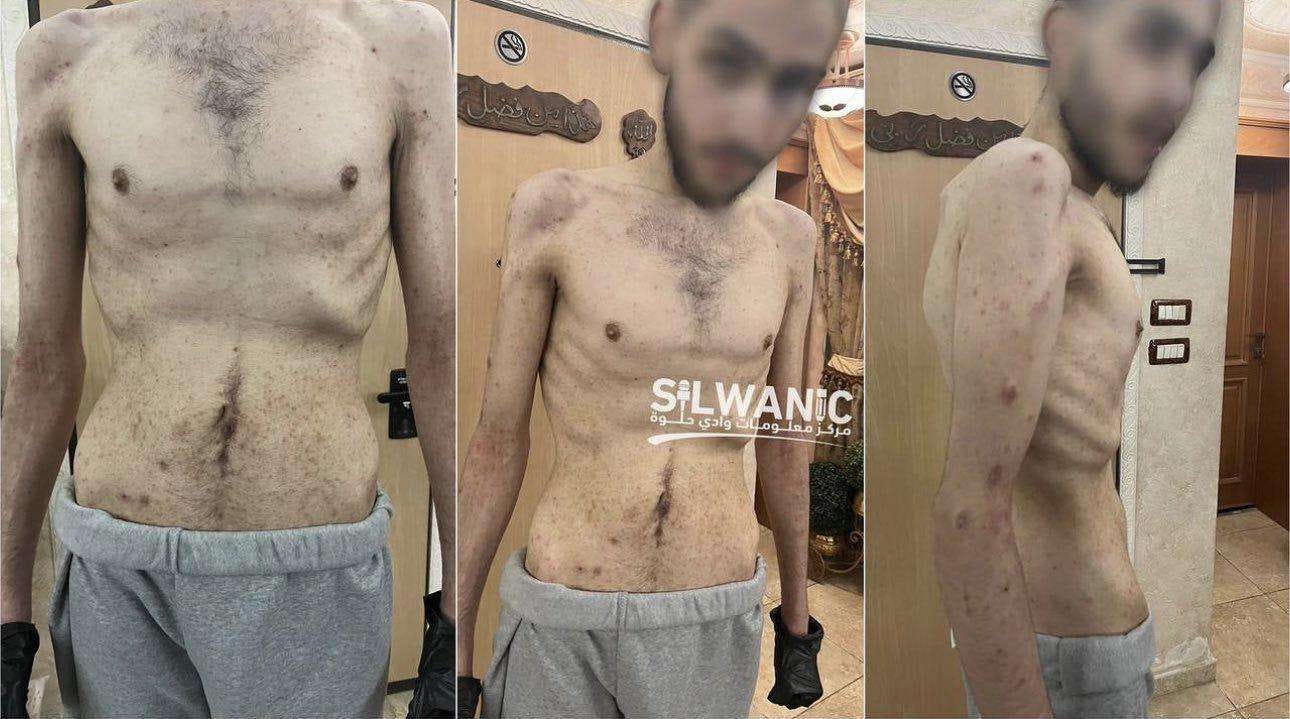
The doctors sent H. back knowing that he could die from further injuries — that this was not unlikely. He was both denied the treatment he needed, surgery, and sent back to those who beat him to the point of hospitalization, with the medical recommendation: interrogators, don’t interrogate for a bit.
And yet this physician is not alone; again and again, Israeli health workers have made this exact choice without fail or meaningful resistance. In the less than three years since October 2023, at least 90 Palestinian prisoners have died in zionist prisons. By comparison, between 1967 and 2023, a total of 237 prisoners died — over 56 years, less than three times the number killed in less than three years. Anyone can access these figures. Israeli health workers know what they are participating in; they see the evidence, and they send prisoners back anyway, even without mending the wounds they can already see. This is causing severe harm — in violation of the most fundamental and sacred oath that health workers take.
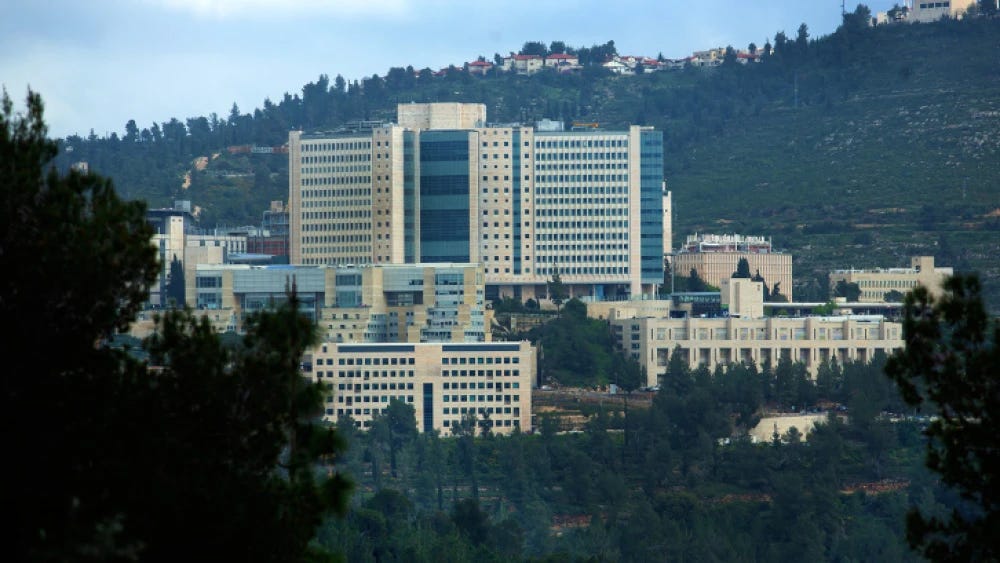
Ironically, some of the doctors seeing Palestinian patients at temporary “clinics” serving torture camps like Sde Teiman view themselves as “the good ones” or “brave”, seeing as many of their colleagues and institutions have outright refused to serve Palestinian prisoners. In the days after October 7, 2023, Hadassah Hospital in Jerusalem refused to treat a Palestinian prisoner brought to the hospital for fear of offending “national feelings”. This decision followed an announcement by the Minister of Health at the time, Moshe Arbel, instructing all public hospitals not to treat “terrorists”. The refusal to treat wounded prisoners can be tantamount to torture under international law. Only one month later, in November 2023, at least one hundred Israeli doctors publicly signed a call that demanded that zionist forces destroy hospitals in Gaza as a matter of “duty”.
Meanwhile, the Israeli Ministry of Health has used its power and position to obscure the causes of deaths of Palestinian prisoners, even when autopsies clearly indicate torture and abuse to be the reason. The Lancet article, which highlights this collusion, raises a question from scholar Derek Summerfield in response to the zionist authorities building cover for their war criminal doctors: “By Israel’s own admission, Jaradat [a martyred prisoner] was seen by Israeli doctors two days earlier, and they found him in good health. The key medical ethical question is what were these doctors examining him for, if not to assess whether he could withstand torture.”
Here is the heart of the matter: Israeli health professionals are not engaged in the healthcare of Palestinian prisoners, but rather something else entirely: healthmanagement. Healthobservation. Healthsubsistence. Healthminimalism. Even those terms feel generous in the wake of all this evidence. Israeli doctors are not treating Palestinian patients — maybe not even evaluating with much care whether or not they can withstand torture, based on the number of known deaths. They are simply participating in the process of torture, neglect, abuse, murder, and genocide, even legitimizing it by continuing to send patients back. They are providing cover — occasionally, maybe a Band-Aid — for the most heinous violence, and they are participating in the most egregious forms of harm against their own patients.
No basis for shared work
Almost a month ago, the Lancet shared a call for the Israel Medical Association (IMA) to be suspended from the World Medical Association (WMA) for its stance on the ongoing genocide in Gaza. Actually, the petition is more of a response to the IMA’s lack of a position; it has failed to speak out, as the article notes, on the genocide, the targeted destruction of Gaza’s health infrastructure and its physical hospitals and clinics, and the ongoing torture and killing of Palestinian healthcare workers. The IMA, petitioners argue, has broken every rule and expectation of those in the healthcare profession, including violations of humanitarian protections and of internationally held ethical norms. They have not just turned their backs on the most fundamental concepts within the field of medicine and its guiding principles; they have colluded to directly contravene the very oath they took when they became practitioners. Doing no harm to one’s patients has been transmuted into ensuring they are fit enough to return to torture, or warning to temporarily hold off on further abuse due to observable wounds while sending them back to torture chambers, even without providing treatment. Operating in the patient’s best interest has become, at best, making them whole enough to survive a bit more starvation or obscuring the means by which they were murdered. Protecting patients’ privacy has been replaced with silence, complicity, participation, and furtherance of the most heinous abuses one can imagine carried out against another human. Treating patients without preference to race, religion, or ethnicity has become inversely codified into a hierarchy of human life, in which Palestinians are not even treated as human, let alone equal to Jewish Israelis. Identity and classification are at the very core of this system of abuse. For this, the IMA and all of its members, every silent and public participant, deserve to be shunned from the world of healers and protectors. There is no basis for shared work. There is no shared future of healthcare.
As I wrote this article, yet another Palestinian doctor was martyred in Gaza, Dr. Issam Hassan Abu Ajwa. He was killed in an Israeli strike on a car near Gaza City on July 9, 2026, at 65 years old. Dr. Abu Ajwa had already retired before October 2023, but returned as a volunteer doctor in Al Ahli Hospital as the genocidal aggression ramped up. He was detained, imprisoned, and subjected to interrogation, abuse, and torture for months when zionist forces occupied the hospital in December 2023. When he was released, despite the violence and threats he suffered, he returned right away to volunteering in hospitals. He is quoted as saying, upon his return to the hospital, “Even if my body is torn apart, I will continue to perform surgery, heal my patients and serve humanity and my people, and now I am in an operating room… I will continue, I will stay here, and I will serve my patients and my people as long as I am alive.”
There is no similarity left between the doctors living in hospitals to serve their patients under bombardment, stretching supplies to save children and families, going without food and adequate water, knowing they risk torture and death for doing so, and those colluding in their killings. The best of humanity, Dr. Hussam Abu Safiya and his colleagues, await liberation from the underground cells of zionist interrogation camps, facing unthinkable horrors in the meantime. The very least those signing off on their examinations, returning them to imprisonment, and forging their autopsies deserve is isolation.
Free Dr. Hussam Abu Safiya and all the healthcare workers imprisoned with him. Free all Palestinian prisoners.
That is, if they ever even make it to the point of a trial, since at least 3,358 prisoners remain in administrative detention, facing no named charges or trial.