

Killed at Work. Killed at Home. Killed at Bus Stops.
Israel’s Systematic Targeting of Palestinian Medical Infrastructure and Personnel in 2025

Numbers tell one story. Names tell another. In 2025, Israeli state forces and settlers carried out a total of 510 documented attacks on Palestinian healthcare workers, facilities, and medical infrastructure, the majority of which were carried out in Gaza. Behind each incident is a paramedic who answered a final call, a surgeon killed in their home beside their children, an ambulance driver stoned while racing to reach the wounded. We revisit last year’s documented attacks not merely to catalog atrocities, but to resist the normalization our institutions have manufactured. The governments that enabled this genocide count on our fatigue. This is a refusal to forget.
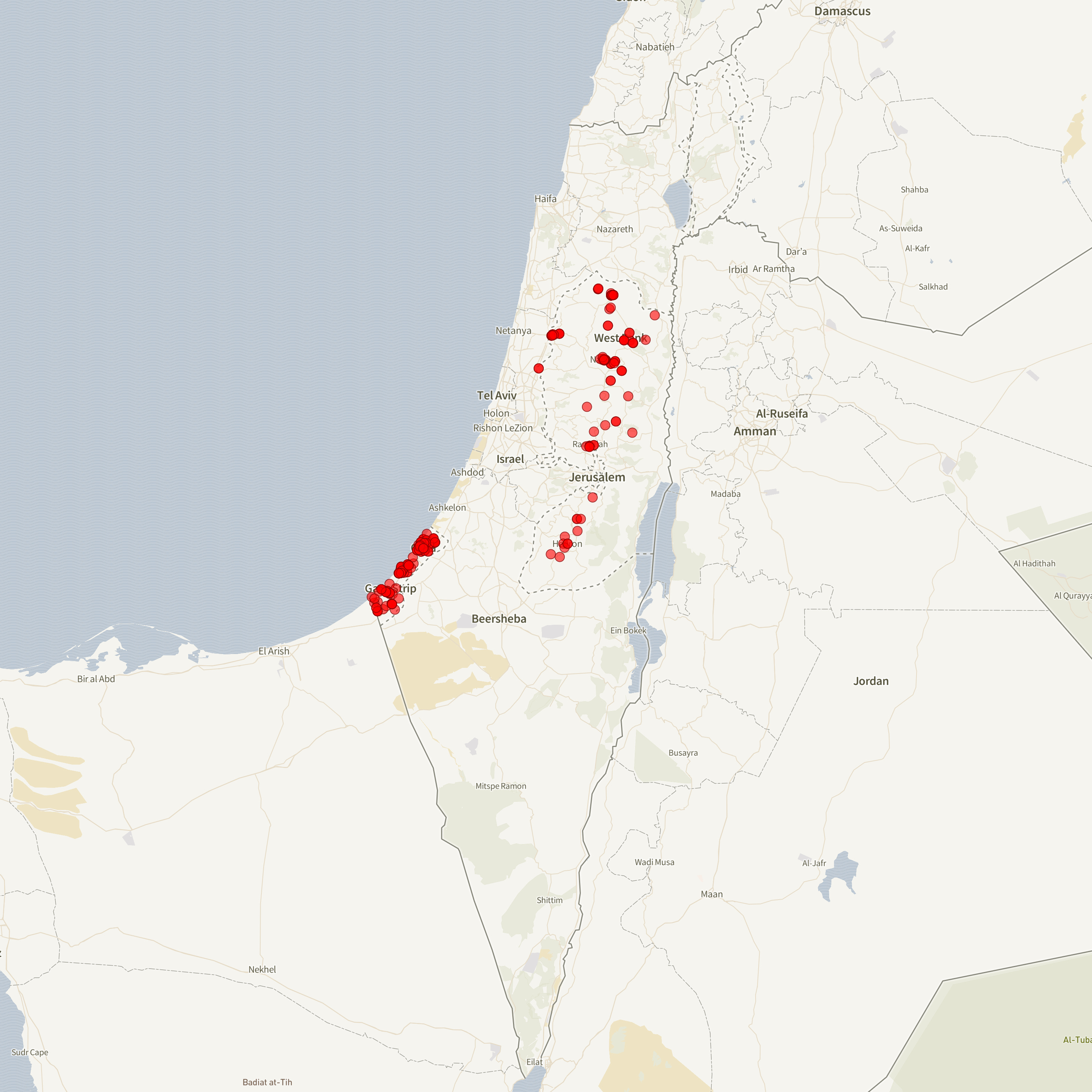
According to the data drawn from the Attacks on Health Care in Countries in Conflict (SHCC) Data, Israeli attacks resulted in at least 102 health workers killed, dozens more injured, and countless ambulances damaged or destroyed in 2025. The data reveal a systematic pattern of violence that has devastated Gaza’s healthcare system (which is the goal) while simultaneously restricting Palestinian access to medical care in the West Bank.
One of the deadliest attacks on healthcare workers in 2025 occurred on March 23rd in Rafah, when Israeli forces opened fire on a clearly marked humanitarian convoy. The convoy, consisting of five Palestine Red Crescent Society ambulances, a fire truck, and a UN vehicle, was responding to casualties from an earlier airstrike. Israeli forces fired on the vehicles “one by one,” killing 15 medical personnel and humanitarian workers — including eight Red Crescent paramedics, six civil defense members, and one UN staff member. By this point in 2025, these slaughters had become normalized in mainstream media.
The bodies of the victims were discovered eight days later in a mass grave, their vehicles “crushed and dumped, covered in sand.” Autopsies conducted by Gazan doctors and reviewed by Norwegian pathologists found the paramedics were shot multiple times “with intent to kill” — with bullet wounds in their chests, abdomens, backs, and heads. One victim was found with his hands tied.
A Bellingcat investigation using audio analysis contradicted the IDF’s initial claims that the convoy approached “suspiciously” without lights. Video recovered from a killed paramedic’s phone showed the ambulances with emergency lights clearly flashing.
The International Federation of Red Cross and Red Crescent Societies confirmed this was the single deadliest attack on Red Cross or Red Crescent workers anywhere in the world since 2017.
Then on June 6th, Israeli forces launched artillery and airstrikes on a residential building in northern Gaza, killing eight medical health care workers from the same family. The Khader family, which included five physicians and a nurse, was killed alongside their relatives in their home.
This attack exemplified a disturbing pattern documented by UN Human Rights: at least seven strikes in less than two months specifically targeted medical professionals in their homes, killing them alongside their families, including children. It is not just that using indiscriminate violence has been a defining characteristic of zionist violence for generations, but rather that these attacks — targeted or not — fulfill the goal of eroding Palestinian society through the destruction of the medical system.
While UN experts expressed alarm at the “relentless Israeli attacks on Gaza’s healthcare system,” noting that medical workers were being killed not only while on duty, but also deliberately targeted in their private residences, “Western Democracies” projected little political resistance to the genocide.
A few months later, on October 2nd, Israeli forces struck a street in Deir al-Balah where Doctors Without Borders (MSF) staff were waiting for a bus to their field hospital. Omar Hayek, an MSF occupational therapist who had served Gaza since 2018, was killed instantly. At least four other MSF workers were seriously injured. All staff wore clearly marked MSF vests that identified them as medical humanitarian workers.

MSF memorialized Omar as “a quiet man of profound kindness and utter professionalism.” He had only evacuated south from Gaza City three weeks earlier after Israeli forces claimed the area would be safe. Instead, he was killed at a bus stop on his way to work.
OCHA reported that an average of four aid workers were killed each week in Gaza throughout 2025.
Violence against healthcare extended beyond Gaza into the occupied West Bank, where Israeli settlers attacked ambulances attempting to reach wounded Palestinians.
In July 2025, during a settler assault on the village of Sinjil near Ramallah, armed settlers blocked and attacked an ambulance with stones, shattering its windows and sirens. The driver was forced to drive through fields, damaging the vehicle’s undercarriage, just to reach the wounded.
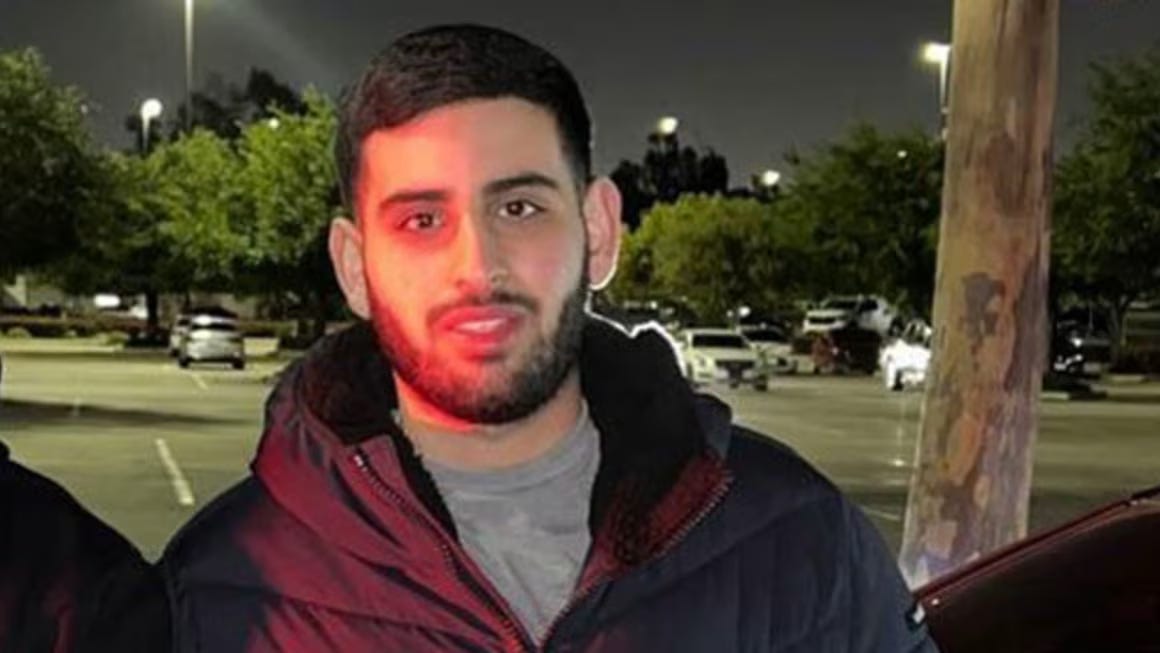
Meanwhile, 20-year-old Palestinian -American citizen Sayfollah Musallet, beaten severely by settlers, bled to death over nearly three hours as ambulances were prevented by Israeli soldiers and settlers from reaching and treating him. His family believes he might have survived if medical care had arrived in time.
In December 2025, settlers again obstructed an ambulance traveling to Ramallah, while Israeli forces separately detained a healthcare worker and vandalized another ambulance. The systematic denial of life-saving services becomes so routine that it functions as formal policy — whether or not it is codified.
OCHA documented over 1,800 settler attacks in 2025 — an average of five per day — the highest since records began in 2006.