

Six Settler Attacks a Day
Settler violence hits a four-month high

Al-Mughayyir, Ramallah
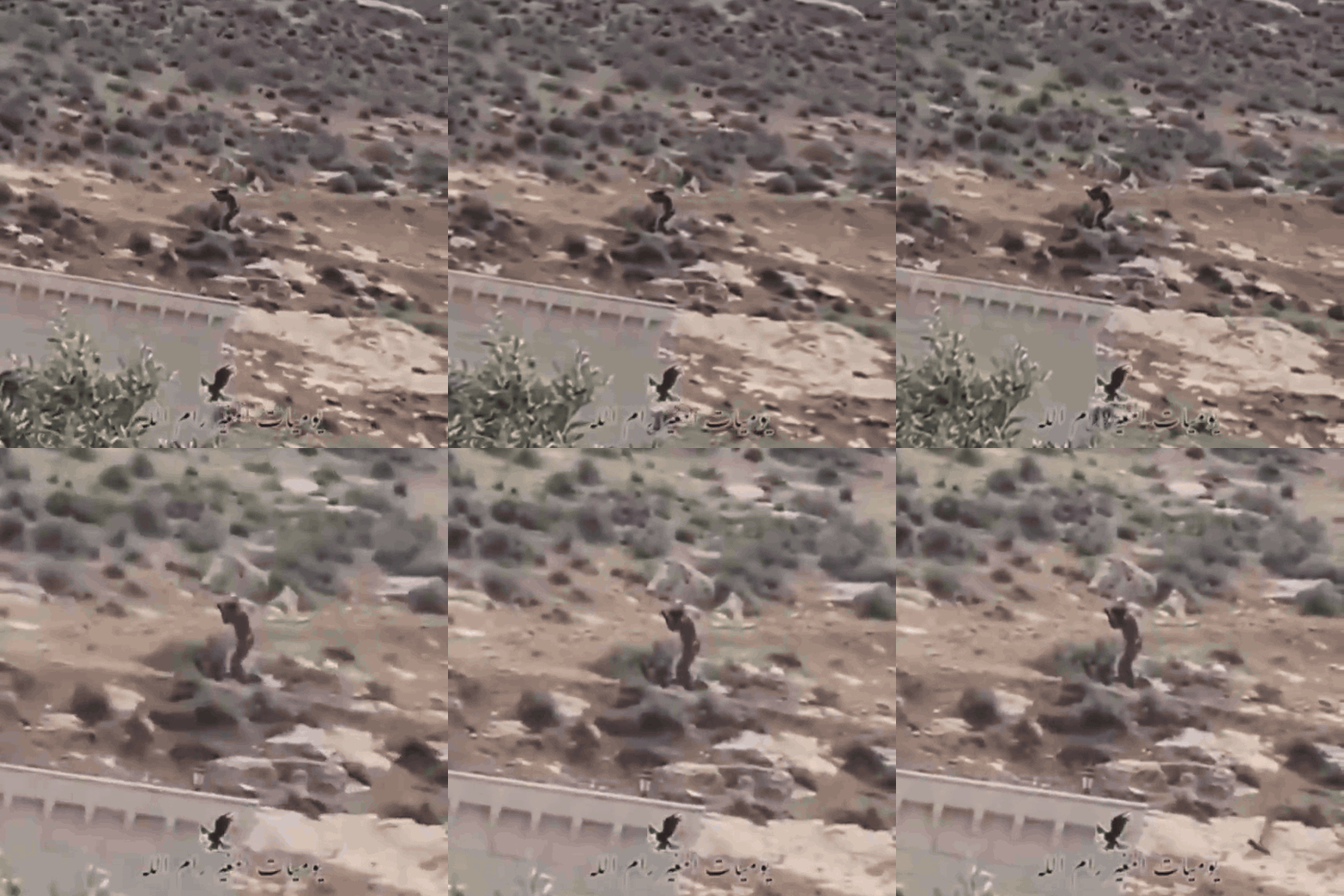
Between 21 and 27 April 2026, Israeli forces shot and killed a Palestinian child in Nablus city, and Israeli settlers shot and killed three Palestinians, including one child, in two separate incidents in Al Mughayyir and Deir Dibwan in Ramallah governorate. A Palestinian woman also died of injuries sustained during an Israeli operation in Jenin Camp in 2023. This brought the total number of Palestinians killed by Israeli forces or settlers in the West Bank in 2026 to 42 as of 27 April, including ten children and two women.
During the same week, at least 57 Palestinians, including seven children, were injured: 37 in settler attacks and 20 by Israeli forces, mainly during search operations and raids. According to OCHA, 70 percent of those injured by settlers (26 of 37) were hurt in two attacks, on the villages of Beit Imrin and Jalud in Nablus governorate. At least 30 Israeli settler attacks during the week, resulting in casualties, property damage, or both. The total since the beginning of 2026 has exceeded 700 incidents across more than 200 communities, averaging approximately 6 incidents per day.
Demolitions and forced displacement continued at elevated levels during the reporting period. Between 9 April and 6 May 2026, 33 demolition or confiscation incidents were recorded across the West Bank, affecting 95 structures and displacing 160 Palestinians, including 70 children, with a further 4,083 people otherwise affected. Of those incidents, 31 (94 percent) were due to a lack of building permits — which the Israeli state almost never issues to Palestinians. Jerusalem governorate accounted for 18 incidents, 43 structures, and 125 of the 160 displaced. Hebron accounted for 6 incidents and 34 displaced; Bethlehem, Salfit, Jericho, Tulkarm, and Ramallah accounted for the remainder. As of 5 May 2026, the database records 168 demolition incidents in 2026 to date, 479 structures affected, and 818 Palestinians displaced, including 375 children. According to OCHA’s 1 May report, the resulting 2026 monthly average of Palestinians displaced by lack-of-permit demolitions is the highest annual monthly average documented since the agency began maintaining records on this category in 2009. 85 schools across the West Bank, including East Jerusalem, are currently under pending demolition orders, serving more than 13,000 students.
al-Eizariya, East Jerusalem
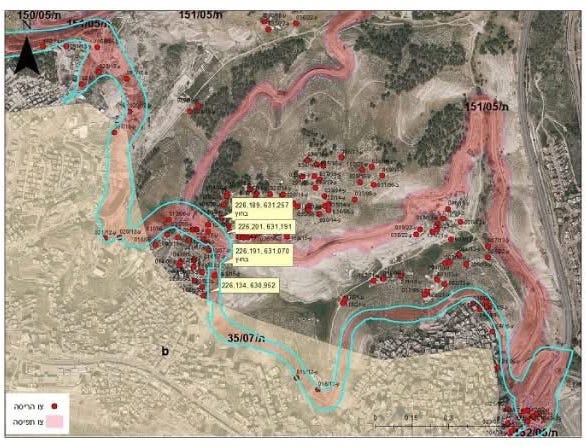
Israeli forces issued notices to demolish 50 Palestinian commercial shops and facilities in the al-Mashtal area at the entrance to al-Eizariya, southeast of occupied Jerusalem. Owners were given until Sunday. This is horrendous.
Tarqumiya, west of Hebron
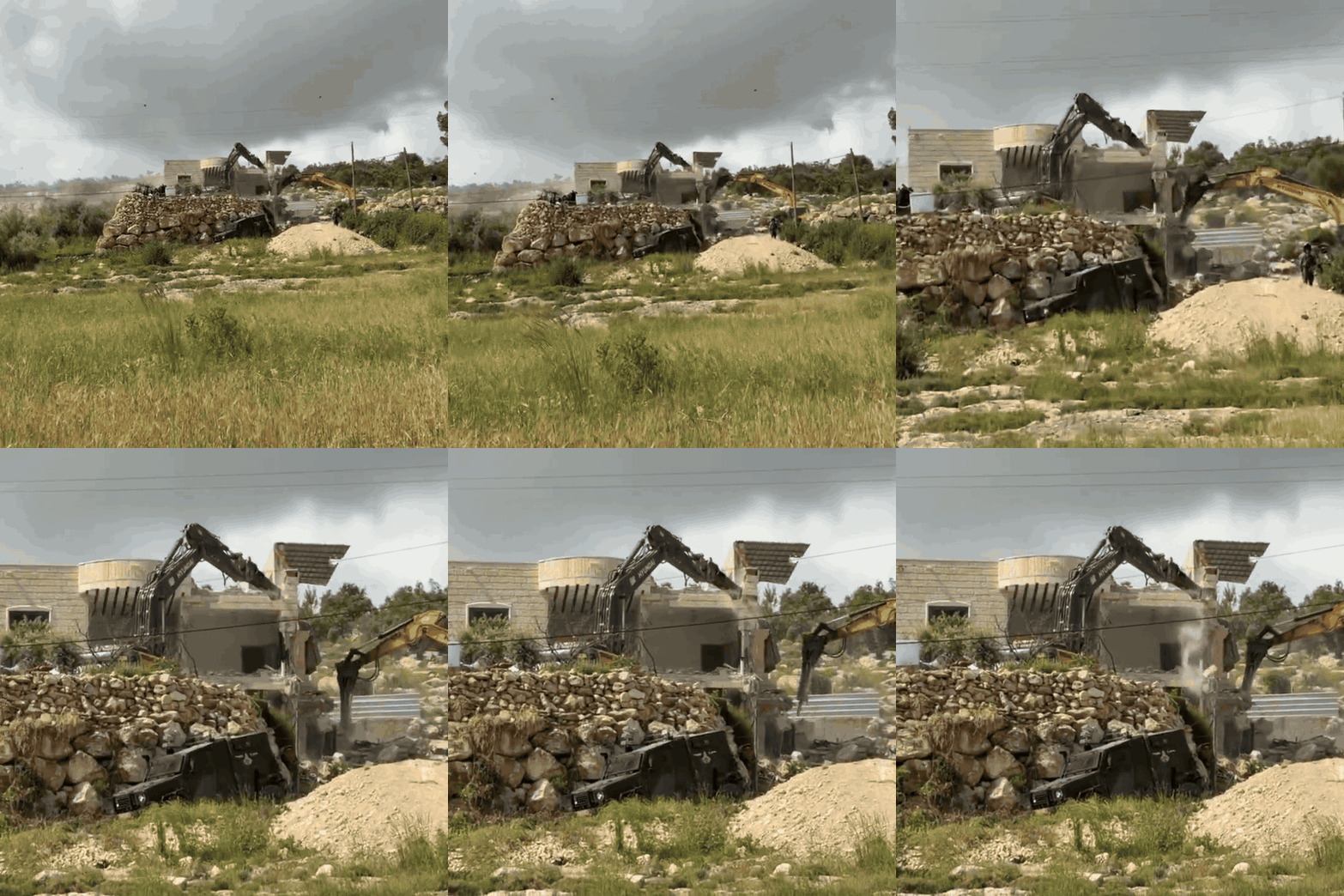
Israeli forces demolished a two-story home belonging to Amir Bassam al-Ja’afra in the Shaab al-Bier area of Tarqumiya, displacing a household of ten.
Jalud, south of Nablus
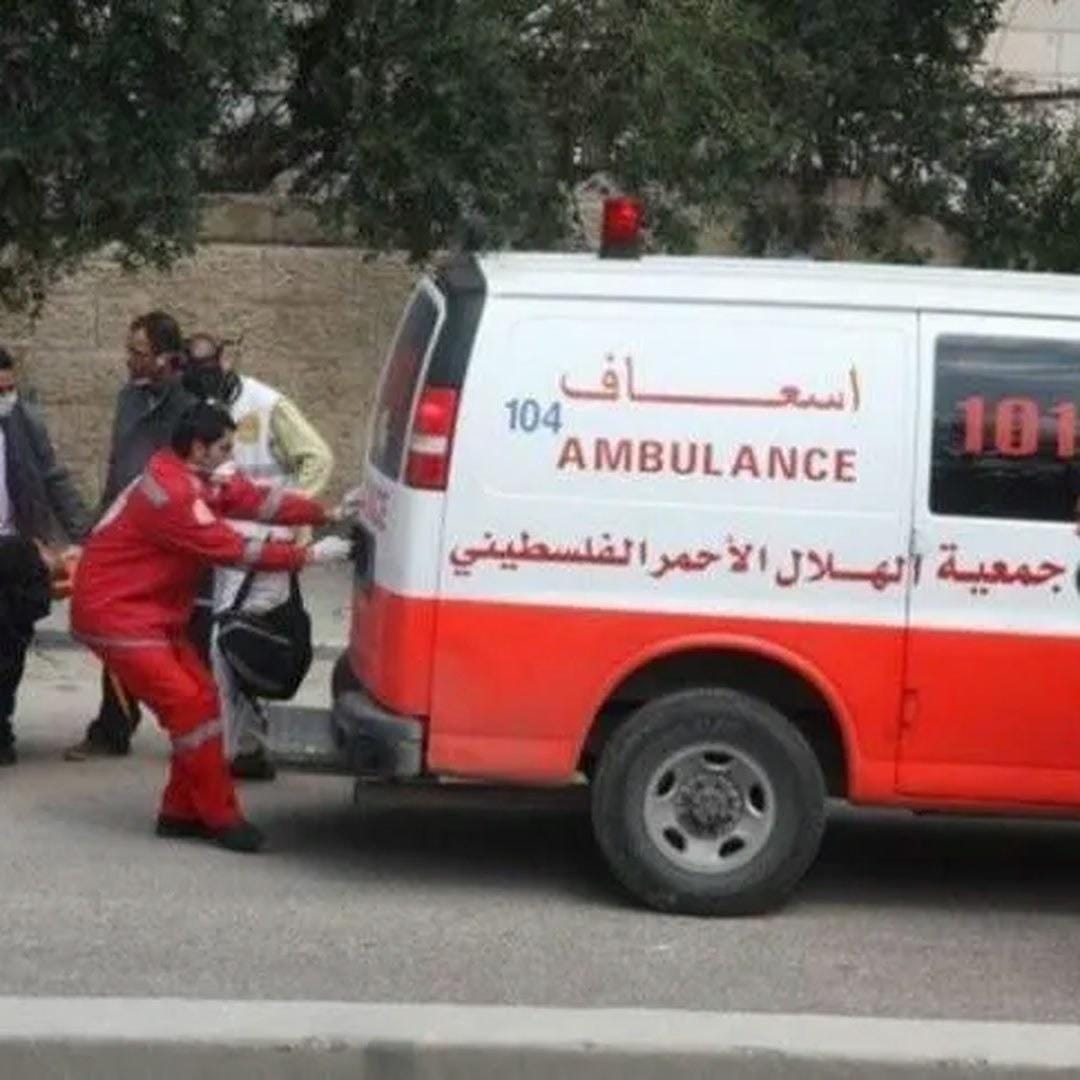
Israeli settlers entered the Al-Dahr area of Jalud and threw stones at Palestinian residents. A child was wounded in the head; a young man sustained contusions. IMEMC reported the incident the following day. The attacks of 21 and 27 April on Beit Imrin and Jalud accounted for 70 percent of Palestinians injured by settlers during the reporting week, including three children, with at least seven houses and four vehicles damaged.
Kharsa junction, south of Hebron
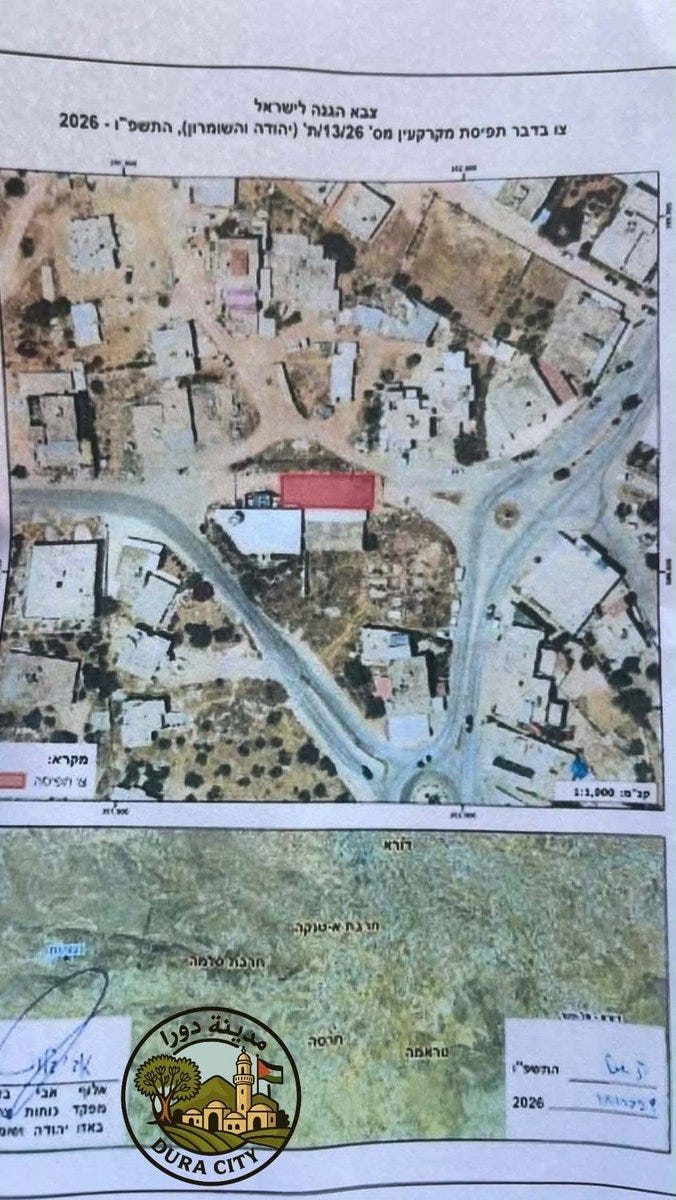
Israeli forces issued a military order confiscating land belonging to the al-Shahatit family, located opposite an existing military tower at the Kharsa junction. The order was reported by the Colonization Wall Resistance Committee and confirmed in WAFA’s dispatch the same day.
Wadi al-Rakhim, Masafer Yatta
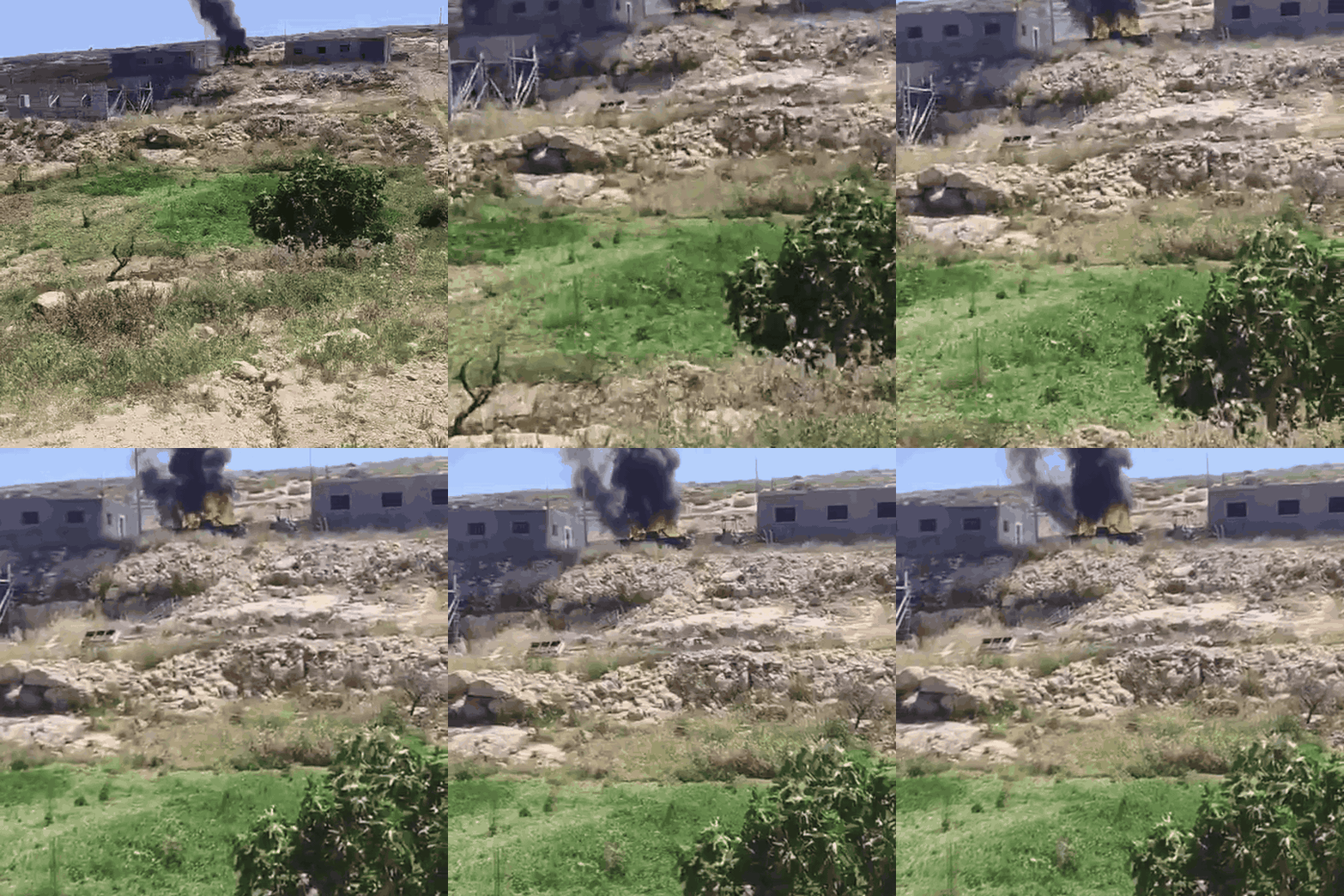
Settlers from the Susiya settlement attacked Ahmed al-Da’ajna with stones and set fire to his vehicle and excavator after preventing him from reaching his under-construction home. Settler militias also blocked roads connecting villages in the area. Communities in Masafer Yatta have been the subject of sustained settler pressure on Palestinian herding and farming, including livestock attacks, road closures, and property destruction.
A campaign to demand access to life-giving tools
Palestinians and allies are systematically locked out of the payment platforms. PayPal, Stripe, Venmo, and others refuse not only to operate in support of anything in support of Palestinians sustaining life.
We launched this campaign because Palestinians should be able to receive payments from relatives abroad, run a small online business, or accept direct support from people who want to help, without a gatekeeper deciding whether you count as a customer.
Unblock the Aid is pushing these companies to open their services to Palestinians on equal terms with everyone else. If you want to help force that change, sign up at unblockaid.org for campaign updates and ways to take action as we move forward.