

The War within the War
With international attention fixed on Iran, zionists are accelerating the destruction of Palestinian life from Gaza to the West Bank

As the genocide in Gaza enters its 876th day, the the broader zionist movement has been working to orchestrate a parallel crises for Palestinians in the Gaza Strip and West Bank along a single logic: the destruction of the material foundations of Palestinian life.
In Gaza, the humanitarian situation has deteriorated sharply following Israel’s closure of all crossings on February 28. The closure immediately halted medical evacuations and raised acute concerns about food and fuel supplies. UNRWA, other UN agencies and the community-led structures trying to sustain life were forced to ration fuel, reduce generator hours in collective shelters, and scale back to life-saving operations only — cutting electricity and water access for displaced populations already living in extreme deprivation. At least one community kitchen in Khan Younis, serving thousands of displaced families through UNRWA’s job creation programme, was forced to shut down entirely due to shortages of food commodities and cooking supplies.
This comes against the backdrop of a total aid blockade that has been in effect since March 2025. UNRWA ran out of food at the end of April 2025 and has been prevented by Israeli authorities from directly bringing any humanitarian assistance — including food — into Gaza for over a year. The agency reports that it has enough food parcels, flour, and shelter supplies pre-positioned outside Gaza for hundreds of thousands of people, but has been blocked from delivering them. Meanwhile, since the start of the ceasefire in October 2025, the Ministry of Health has reported 618 additional Palestinian fatalities from Israeli attacks, and 853 people have sustained war-induced disabilities including amputations, spinal cord injuries, and traumatic brain injuries. Assistive devices, including prosthetics, continue to be classified by Israel as “dual-use” items, severely restricting their entry.
The situation has been compounded by the United States and Israel initiating an open war on Iran beginning February 28, which has placed both Gaza and the West Bank on the back-burner of international attention and advocacy. In the West Bank, movement between governorates has been all but blocked, in-person education — including UNRWA services — have been suspended, and access to Al-Aqsa Mosque during Ramadan has been fully blocked.
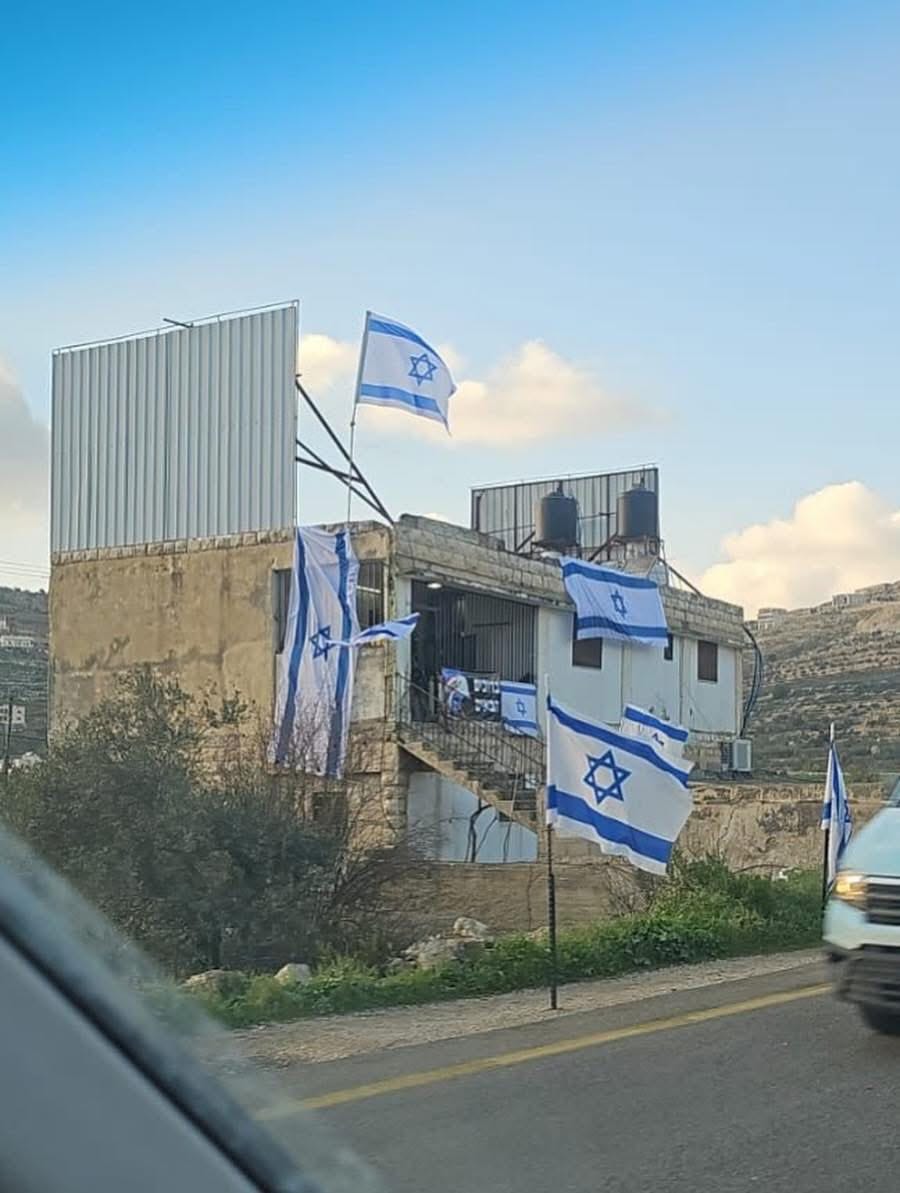
The zionist movement has been accelerating their methods of displacement across the West Bank and activating settler cells of violence. The Palestinian Ministry of Agriculture documented some $1.3 million in direct agricultural losses over a single week, the report catalogs a systematic campaign of destruction across West Bank governorates: the uprooting of hundreds of olive, almond, fig, and walnut trees; the bulldozing of cultivated land and irrigation networks; the demolition of agricultural rooms, wells, and animal shelters; the theft and killing of livestock; and the forced grazing of wheat and barley fields by settler herds. In Masafer Yatta, settlers burned 75 sheep and 50 chickens alive. In Tubas, demolition notices were issued to 11 farmers, threatening 40 dunams of greenhouse agriculture. In Nablus, two Palestinians were shot dead by settlers in Qaryut on March 3.
The Ministry links these attacks directly to Israeli cabinet decisions expanding settler authority, accelerating demolition orders, and pushing to legalize outposts — measures designed to fragment Palestinian land, displace agricultural and pastoral communities, and foreclose the possibility of territorial contiguity. Taken together, the two reports reveal a coordinated structure of dispossession operating simultaneously across the occupied territory: starvation through siege in Gaza, and the destruction of agricultural livelihood in the West Bank. In both cases, the target is the same — the capacity of Palestinians to sustain life on their own land.
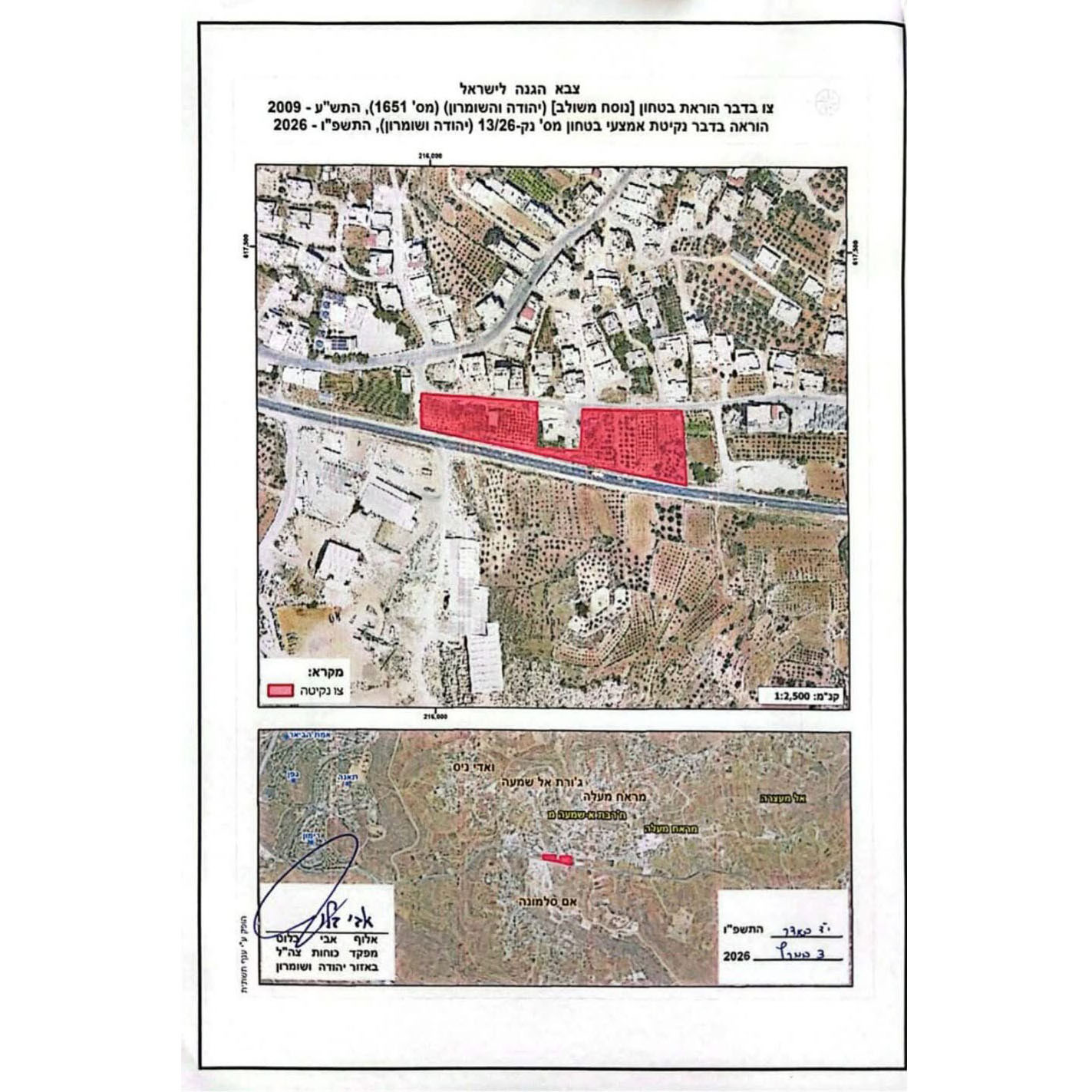
The activations of settler cells across the West Bank are always in coordination with the Israeli military tearing apart the social fabric of a community. Over the last 30 days, Israeli forces arrested 992 people across the West Bank alone. That is roughly 33 arrests per day, every day, for a month. The operations followed a familiar pattern: raids between midnight and dawn, homes invaded, names and people taken. In Qalqilya on February 6, forces abducted 21 people in a single operation in Azzun, including two Palestinian security personnel. A child, Qais Zidan Skafi, was arrested in Hebron on February 5. In Jerusalem, two Al-Aqsa Mosque guards were taken on February 6.
In order to facilitate these kinds of operations, the Israeli state has redesigned the West Bank into a prison: by closing a few gates and shutting down a few roads, millions of Palestinians are restricted in various ways. Israeli forces set up 238 temporary checkpoints and maintained 50 permanent military ones. Soldiers stopped cars, checked IDs, and held people for hours. The Qalandiya checkpoint between Ramallah and Jerusalem saw tightened procedures on February 5 that backed up traffic throughout the morning. On top of the checkpoints, Israeli forces closed roads 86 times. In Salfit on February 17, every entrance to the city was shut simultaneously — Iskaka bridge, Wadi al-Shaeer road, Khurbet Qais village road, and the hospital road. All of them, at once. Qalqilya’s eastern entrance and surrounding village roads were sealed on March 1. Hebron saw closures at Ras al-Joura, Lifta, Halhul, Bani Naim, Tarkumiya, and the Al-Aroub refugee camp, all on the same day.
In addition to establishing a matrix of control with roads, Israeli forces occupied 32 Palestinian homes during this period, converting them into temporary military posts inside the cities and villages. On March 2, three homes in Ya’bad belonging to Mahmoud Isa Atatrah, Saeed Abu Bakr, and Nazmi Asfour Abu Bakr were seized and used as staging points. The occupations continued the next day. In Hebron, the home of Abu Sa’id Ahmar in Al-Fawar camp was held continuously starting February 28. Families were displaced from their own houses so soldiers could use them as lookout positions.
These numbers describe a system operating at scale. Thirty-three arrests a day. Nearly ten checkpoints set up daily. Roads sealed without warning. Homes taken over and held. The data from this 30-day window does not capture an escalation or a crisis, it merely highlights how the process of violence inherent in zionism works to erase and dispossess the native population.