

When the Attacks Stop, It Means the People Are Already Gone
Settler violence hasn’t normalized in the West Bank. It’s just run out of targets in some places.

Data from Feb 18 – Mar 20, 2026
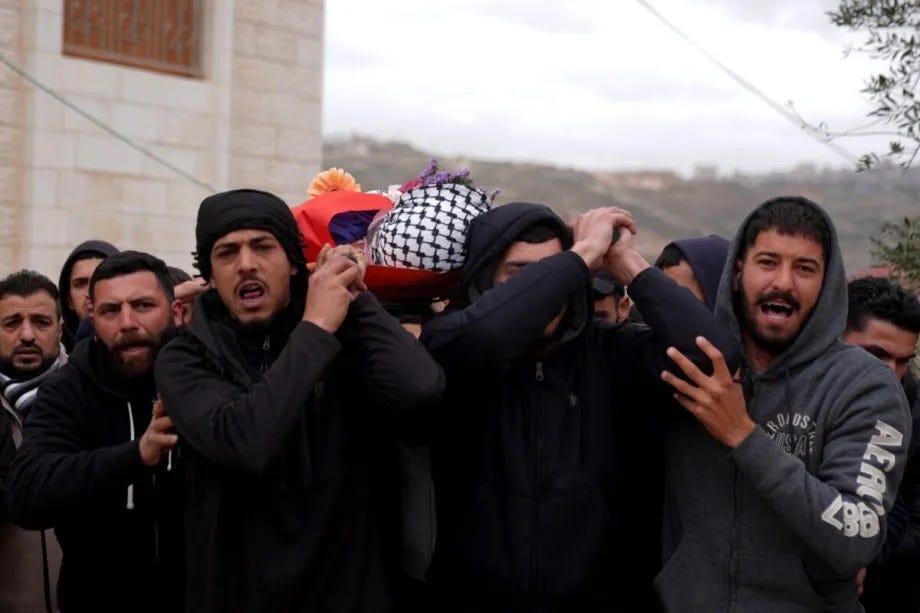
The Palestinian Negotiations Affairs Department recorded 163 documented settler attacks in the last 30 days. Looking at the data, this can appear as a topline number that looks like a plateau — nearly identical to the monthly average of 165 over the past year. But flat numbers don’t mean stable conditions or a normalization of violence. When we look at how the violence is shifting across the West Bank, an entirely different story emerges.
A geographic breakdown shows that the mechanisms of indigenous erasure inherent in the zionist project are working. The Tubas governorate has seen a 160% increase over its yearly average over the last 30 days. Salfit is up 105%. Jerusalem has surged 64%. These are areas where Palestinian herding and farming communities are being systematically pressured off their land — and the pressure is intensifying.
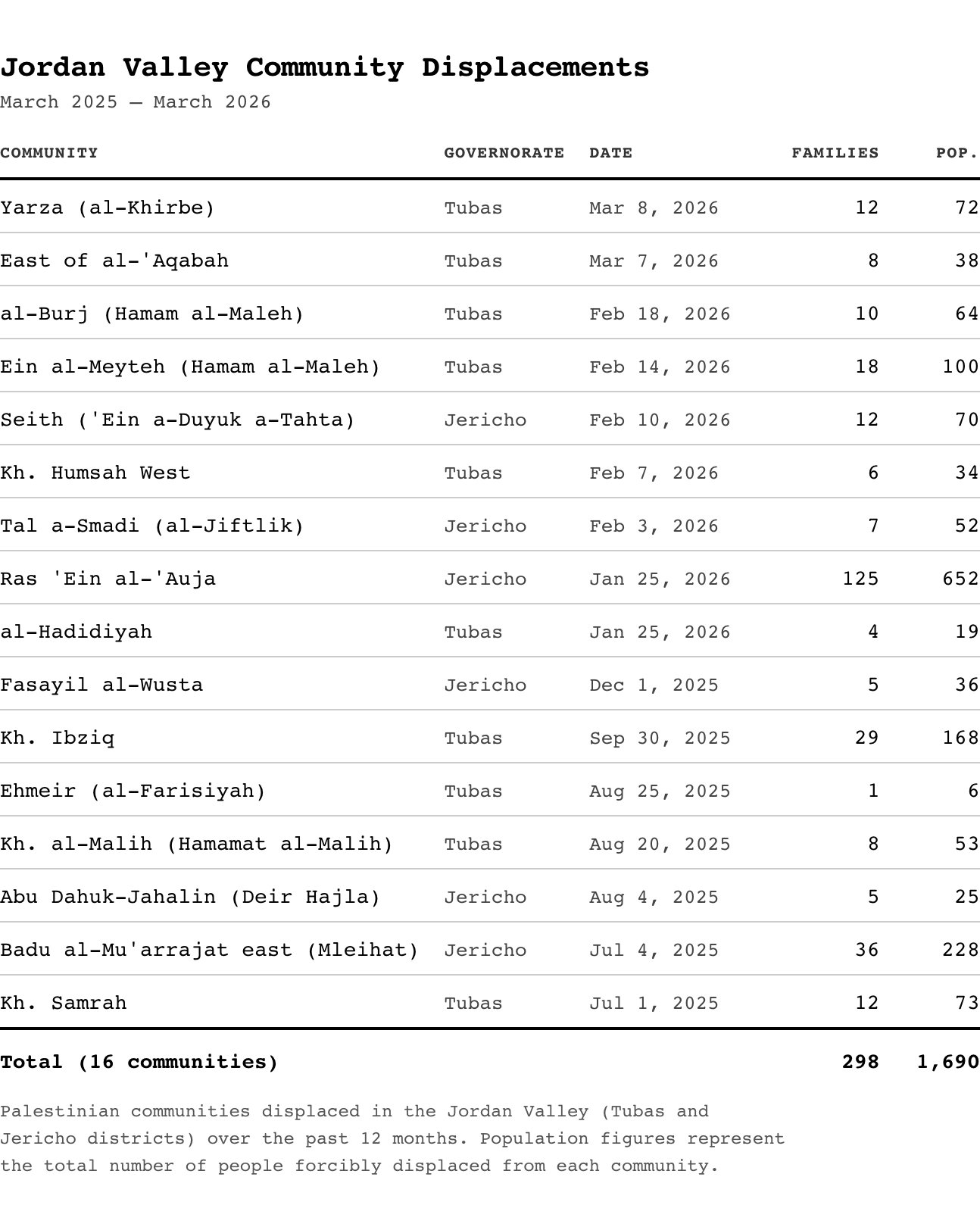
Meanwhile, Jericho — another Jordan Valley governorate — dropped 64%. Not because the violence stopped, but because displacement has already succeeded in many Jericho-area communities. When there are fewer people left, there are fewer people to attack. The plateau isn’t normalization. It’s the statistical residue of ethnic cleansing at different stages of completion. This table outlines the communities already driven off their lands, and as such, settler militias in those areas can shift resources to other areas.
The nature of the violence tells its own story. The past week witnessed settlers releasing their own livestock onto Palestinian farmland, cutting and uprooting olive trees, stoning homes and vehicles, spraying individuals with pepper spray, and raising Israeli flags on privately owned Palestinian land. These are not random acts. They follow a pattern of agricultural destruction and economic strangulation designed to make Palestinian life in these areas untenable and force them off their lands. The data demonstrates the political intent. This is the logical outworking of zionism. The existence of the Israeli state is, in fact, premised on this sort of violence. The data — 163 attacks in 30 days across 10 governorates (an average of more than 5 per day) — reiterates this basic fact of zionism. Below is a narrative summary of a handful of attacks.
Killing of Nasrallah Abu Siyam in Makhmas
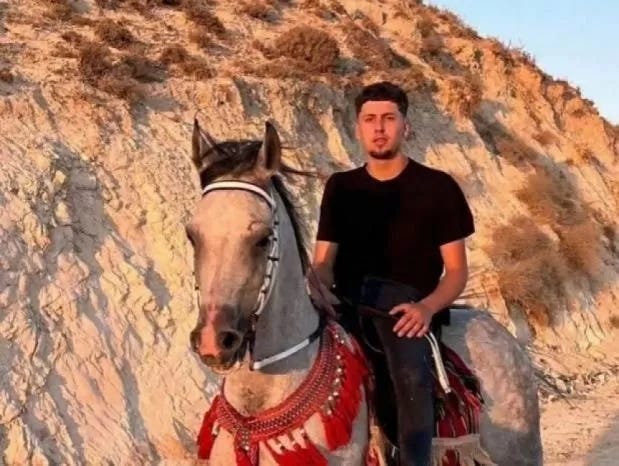
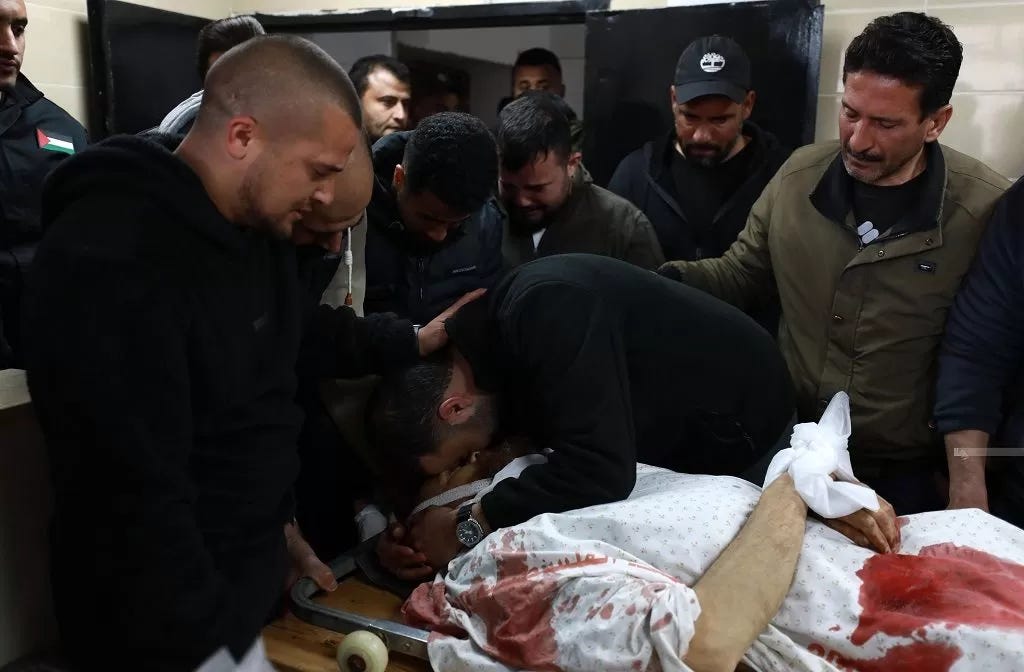
On February 18, approximately 30 masked settlers, some armed with M-16 rifles and accompanied by Israeli soldiers, raided the village of Mukhmas, located east of Jerusalem. Israelis shot and killed Nasrallah Abu Siyam, a 19-year-old Palestinian-American from Philadelphia. The bullet hit him in the thigh — severing his main artery — while he was confronting settlers who were attempting to steal sheep and goats from the village. Settlers then beat him with metal rods as he lay bleeding. Israeli soldiers on the scene did not intervene, did not arrest anyone, and blocked a Palestinian ambulance from reaching Nasrallah. Abu Siyam was eventually carried out of the village on foot, and later died from his wounds and delayed treatment.
Two Brothers Killed Defending Their Land in Qaryut
Armed settlers attacked the village of Qaryut south of Nablus on March 2, after beginning to uproot olive trees to pave a road near Palestinian homes. When residents tried to intervene, settlers opened fire. Brothers Muhammad Taha Maamer, 52, and Fahim Taha Maamer, 47, were shot and killed. Muhammad was struck in the head; Fahim in the pelvis. Three others were wounded by live fire, including a 15-year-old child shot in the shoulder. The brothers’ disabled father was trapped inside the house during the assault. Muhammad left behind six children, the youngest in third grade. Fahim also had six children, including one with hearing and speech impairments. The Israeli army later announced the shooter was an active Israeli forces reservist.
Relentless Assault on Masafer Yatta
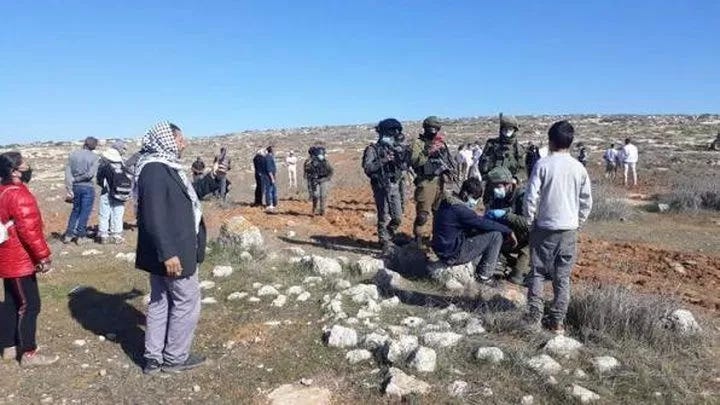
The herding communities of Masafer Yatta, south of Hebron, were attacked repeatedly throughout the period. On March 5, settlers beat three children — Muhammad al-Adra (13), Ibrahim al-Adra (11), and Hamada al-Adra (14) — in the Rahum Ali area, leading to the hospitalization of all three. Israeli forces then arrested residents who tried to intervene, including a farmer defending his crops.
On March 1, settlers under military escort attacked homes near the Palestinian village of Susya, firing live ammunition and beating residents; four Palestinians were arrested.
In Bani Na’im on February 25, armed settlers from a recently established outpost raided the home of detained citizen Khalil Hamdan al-Manasra, stole thirty sheep, killed another, punctured vehicle tires, and threatened his children at gunpoint.
On February 21, settlers in army uniforms attacked elderly farmer Mifdi Rubi and his son Majd in Atuwani while they worked their land, leaving both with wounds and bruises.
Arson, Agricultural Destruction, and Forced Displacement

On February 20, settlers set fire to eight homes between Rammun and Deir Dibwan east of Ramallah, completely destroying the structures and displacing the families within.
The village of Al-Mughayyir, northeast of Ramallah, was attacked on at least four occasions. On February 21, settlers fired live rounds at citizens’ lands, wounding a young man in the chest and a child in the foot, while others burned an agricultural room in neighboring Abu Fallah. That same day, settlers grazed livestock on Palestinian farmland, vandalizing crops and property. In Kafr Thulth south of Qalqilya on February 25, settlers invaded the Arab Al-Khouli community with livestock and forced a resident off his land at gunpoint.
Harassment of Herders in Tubas and the Jordan Valley
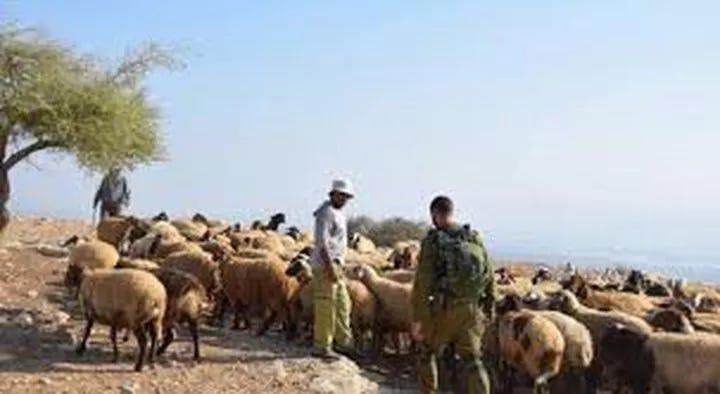
In the northern Jordan Valley on February 22, settlers forced approximately twenty herding families from the Al-Burj and Al-Mayta clusters in Khirbet Samra to abandon their homes and pastures. In Khirbet Yarza east of Tubas, settlers pepper-sprayed a child on March 2 and injured two citizens including an elderly man on March 4, then attacked Red Crescent medics trying to reach the wounded. By March 8, fifteen families in Khirbet Yarza dismantled their homes and evacuated after weeks of sustained attacks. In Al-Aqaba village on March 3, settlers in military uniforms raided homes and threatened residents with expulsion “within days”.
What you can do
These attacks are not spontaneous. They are sustained by a financial infrastructure that channels billions of dollars annually from the United States to settler organizations — much of it tax-deductible under the 501(c)(3) charity system. US taxpayers are subsidizing the very violence documented in this report. Disrupting that pipeline is not abstract solidarity work — it is one of the most concrete, actionable interventions available to people in the United States. Learn how at defundracism.org.